A thoughtful renovation can transform a cramped cooking space into a comfortable and efficient part of the home.
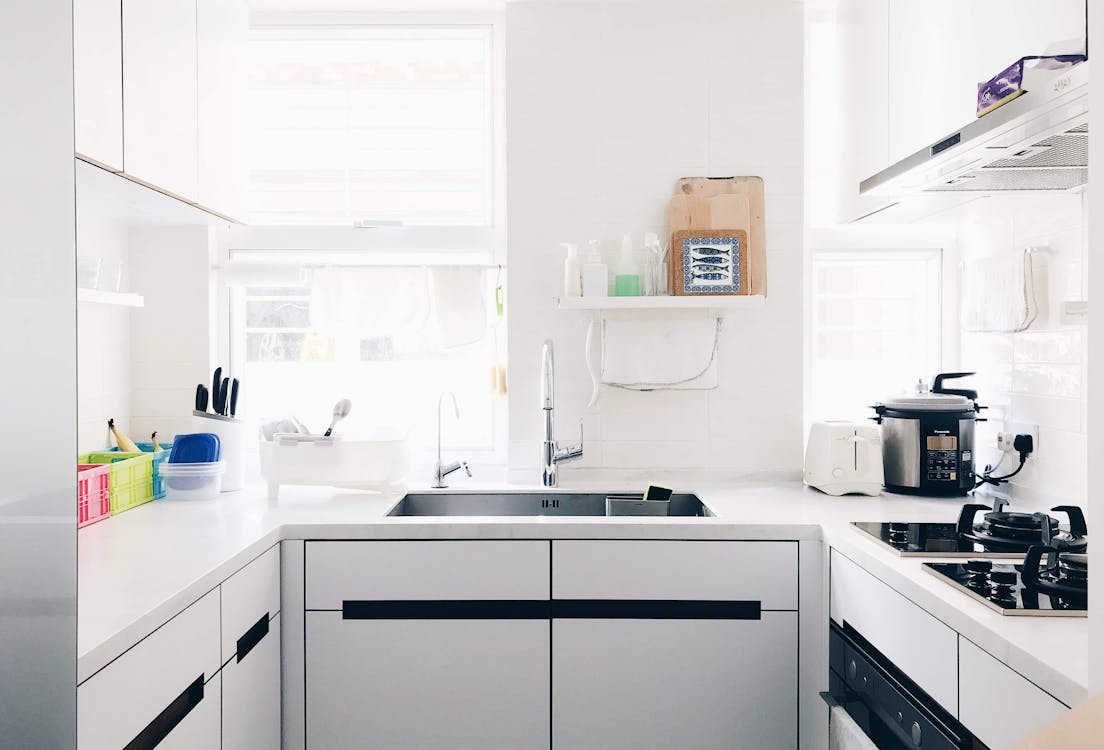
Small kitchens are common in many homes, especially older houses, where layouts were designed for different lifestyles. While limited square footage can feel restrictive, smart remodeling choices can make a compact kitchen feel far more spacious and functional.
The right small kitchen remodel ideas focus on layout improvements, lighting, storage solutions, and design details, dramatically improving how a small kitchen looks and works.
Improving Kitchen Layout For Better Flow
One of the most important steps in remodeling a small kitchen is improving the layout. Even when square footage cannot be expanded, rearranging appliances and work areas can make the room feel significantly larger and easier to use.
Many kitchen designers rely on the concept of the “work triangle,” which positions the sink, stove, and refrigerator to allow efficient movement between them. In smaller kitchens, optimizing this arrangement helps reduce unnecessary steps and congestion.
Removing unnecessary walls or opening the kitchen to nearby living spaces can also help. Even partial openings or pass-through windows can make a small kitchen feel less enclosed while allowing more natural light to enter.
Careful planning ensures that every inch of the kitchen supports daily cooking tasks rather than creating obstacles.
Explore Kitchen Layouts That Make Cooking Easier And More Efficient to improve kitchen workflow.
Using Light Colors And Reflective Surfaces
Color choices play a major role in how large or small a room appears. Light color palettes tend to make spaces feel more open because they reflect rather than absorb light.
White, soft gray, and light neutral tones are popular choices for small kitchens. Cabinets painted in these colors help brighten the room and visually expand the space. Light-colored backsplashes and countertops can further enhance this effect.
Reflective materials also help amplify light. Glossy tiles, glass backsplashes, and polished countertops bounce light around the room, creating the impression of a larger area.
When combined with good lighting, these design choices can dramatically enhance the kitchen’s perceived size.
See Open Concept Vs Defined Rooms In Modern Remodeling to understand layout openness.
Maximizing Vertical Storage Space
In small kitchens, storage space is often limited. Instead of expanding outward, many remodels take advantage of vertical space by extending cabinets and shelving upward.
Tall cabinets that reach the ceiling eliminate the unused gap often found above standard cabinets. This approach not only adds storage but also draws the eye upward, making the room feel taller.
Open shelving can also help reduce the visual heaviness of large cabinets. While cabinets provide concealed storage, open shelves create a lighter appearance while displaying dishes, glassware, or decorative items.
Pull-out pantry shelves, drawer organizers, and built-in storage accessories can further maximize efficiency within existing cabinet space.
Check Storage Solutions That Remodelers Wish They Added Sooner for smart storage upgrades.
Improving Lighting To Open The Space
Lighting is another key factor in making a small kitchen feel larger. Many older kitchens rely on a single ceiling fixture, leaving work areas poorly lit.
Layered lighting improves both functionality and visual openness. Recessed ceiling lights provide general illumination throughout the room, while under-cabinet lighting brightens countertops where cooking tasks take place.
Pendant lights above islands or small breakfast bars can add style while improving visibility. These lights also create visual interest without overwhelming the space.
Natural light should be maximized whenever possible. Larger windows or glass doors can dramatically brighten the room and make the kitchen feel more connected to the outdoors.
Explore Outdoor Living Remodels That Extend Your Home’s Usable Space for ideas that expand functionality.
Choosing Space-Saving Appliances And Features
Appliance size and placement can also influence how spacious a kitchen feels. In smaller kitchens, compact or counter-depth appliances often fit better than oversized models.
Counter-depth refrigerators align more closely with cabinetry, reducing visual bulk and creating a smoother appearance. Slim dishwashers or combination appliances may also free up valuable cabinet space.
Multi-functional features are especially useful in compact kitchens. Kitchen islands with built-in storage, pull-out cutting boards, or fold-down tables can provide additional workspace without permanently occupying floor space.
By selecting appliances and features that fit the room’s scale, homeowners can maintain functionality while preserving a sense of openness.
Remodeling a small kitchen requires careful attention to layout, color, lighting, and storage. When these elements work together, even compact kitchens can feel comfortable and efficient. With smart design decisions, homeowners can transform a small cooking space into a bright, organized, and welcoming area.