With thoughtful mudroom remodel ideas like storage solutions, durable materials, and efficient layouts, a mudroom can become one of the most practical and hardworking spaces in the home.
Mudrooms serve as a transitional space between the outdoors and the interior of a home, helping prevent dirt, clutter, and everyday items from spreading into living areas.
In many homes, however, the mudroom is either too small or poorly organized to handle the daily traffic of family members, pets, shoes, and gear. Remodeling a mudroom can dramatically improve a household’s organization.
Creating A Functional Entry Transition
A well-designed mudroom acts as a buffer between the outdoors and the rest of the house. This transition space provides family members with a place to remove their shoes, coats, and bags before entering the main living areas.
When remodeling a mudroom, one of the first considerations is traffic flow. The layout should allow people to enter, remove items, and move through the space without congestion. Positioning storage areas along walls while leaving the center open often helps maintain clear paths for movement.
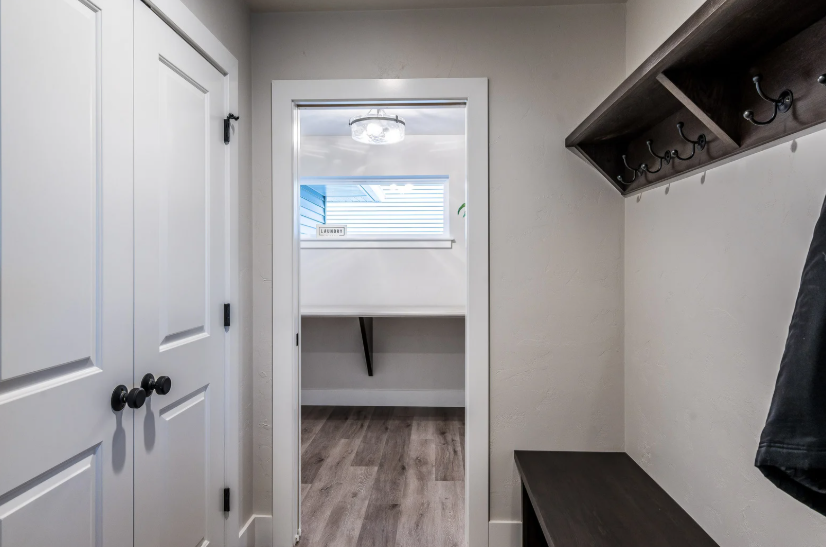
If space allows, a mudroom bench near the entrance can make it easier to remove shoes. This simple addition encourages family members to use the space as intended rather than carrying outdoor mess further into the house.
By clearly defining the mudroom’s purpose, homeowners can create a system that naturally supports daily routines.
Explore Entryway Renovations That Improve First Impressions for ideas that improve entry flow.
Built-In Storage For Everyday Items
Storage is the most important element of any mudroom design. Without adequate storage, the room quickly becomes cluttered with shoes, jackets, backpacks, and sports equipment.
Built-in cubbies are a popular solution because they provide designated spaces for each family member. Individual compartments can hold coats, bags, and frequently used items, making it easier to stay organized.
Hooks placed above each cubby create convenient places to hang jackets or backpacks. Installing hooks at multiple heights allows both adults and children to reach them easily.
Closed cabinets can also help conceal seasonal gear such as hats, gloves, or rainwear. By combining open and closed storage, mudrooms can remain both functional and visually tidy.
Discover Built-In Shelving Projects That Add Both Style And Storage to maximize storage space.
Durable Materials For High-Traffic Areas
Mudrooms experience constant foot traffic and exposure to dirt, moisture, and outdoor debris. Choosing durable materials during a remodel helps ensure the space remains easy to maintain.
Flooring is particularly important. Tile, stone, and luxury vinyl are common mudroom flooring choices because they are moisture-resistant and easy to clean. These materials hold up well against muddy shoes, wet umbrellas, and pet traffic.
Walls and cabinetry should also be durable. Semi-gloss or satin paint finishes are easier to wipe clean than flat finishes, making them ideal for busy entry areas.
Adding a washable rug or floor mat near the entrance can help capture dirt before it spreads throughout the rest of the home.
Smart Storage For Shoes And Gear
Shoes are often the biggest source of clutter in entry spaces. A well-designed mudroom remodel should include dedicated storage specifically for footwear.
Pull-out drawers, shoe racks, or angled shelves can keep footwear organized while allowing air circulation to help shoes dry more quickly. Some homeowners prefer open shoe cubbies for easy access, while others choose enclosed cabinets for a cleaner appearance.
Sports equipment, umbrellas, and pet supplies may also require storage. Tall cabinets or vertical compartments provide convenient places to store items that don’t fit neatly into smaller cubbies.
Planning for these items during the design stage helps ensure the mudroom remains organized long after the remodel is complete.
Read Storage Solutions That Remodelers Wish They Added Sooner to uncover organization upgrades.
Small Features That Improve Daily Use
Several small design features can significantly improve a mudroom’s functionality. For example, a utility sink can be extremely helpful for cleaning muddy shoes, rinsing sports equipment, or washing pets.
Charging stations built into cabinets or shelves allow family members to charge phones and other devices as they enter the house. This keeps electronics organized and prevents them from cluttering other rooms.
Good lighting is also essential. Bright overhead lights ensure the space remains easy to use during early mornings or evening hours when natural light may be limited.
Finally, incorporating mirrors or small decorative elements can make the mudroom feel more welcoming rather than purely utilitarian.
A well-designed mudroom remodel helps keep the entire home cleaner and more organized. By combining efficient layouts, durable materials, and thoughtful storage solutions, homeowners can create a space that manages everyday clutter while simplifying daily routines.
See How To Prepare Your Home Before Renovation Begins for practical steps before starting a remodel.