Understanding how different lighting types work together allows homeowners to create spaces that are both visually appealing and comfortable to live in.
Lighting is one of the most powerful design tools in any home remodel, yet it is often overlooked during early planning stages. Many homeowners focus on flooring, cabinetry, and paint colors, but lighting plays a major role in how a space looks, feels, and functions.
The right home renovation lighting ideas can make rooms feel larger, highlight architectural features, and improve everyday usability. Updating lighting layouts and fixtures dramatically enhances the home’s atmosphere.
The Importance Of Layered Lighting
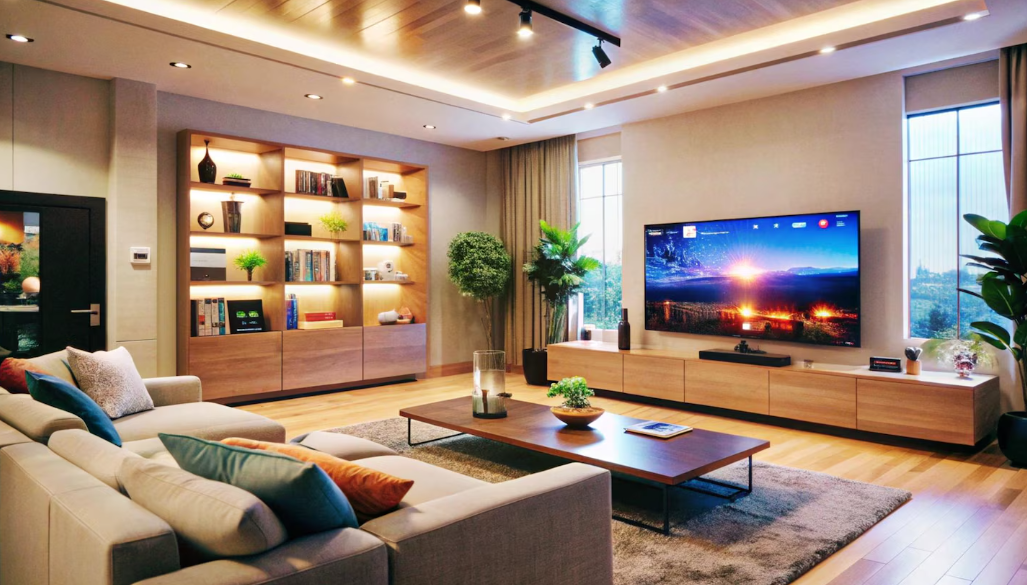
Modern lighting design often relies on a concept known as layered lighting. Instead of relying on a single overhead fixture, layered lighting combines multiple light sources that serve different purposes within the same room.
The three main layers typically include ambient, task, and accent lighting. Ambient lighting provides overall illumination for the space and helps people move safely through the room.
Task lighting focuses on specific areas where activities occur. Examples include under-cabinet lighting in kitchens, reading lamps beside chairs, or vanity lights in bathrooms. Accent lighting highlights decorative features such as artwork, shelving, or architectural details.
By combining these layers, homeowners can create flexible lighting environments that support both daily tasks and relaxation.
Explore Entryway Renovations That Improve First Impressions to see how lighting enhances welcoming spaces.
Natural Light Plays A Major Role In Remodeling
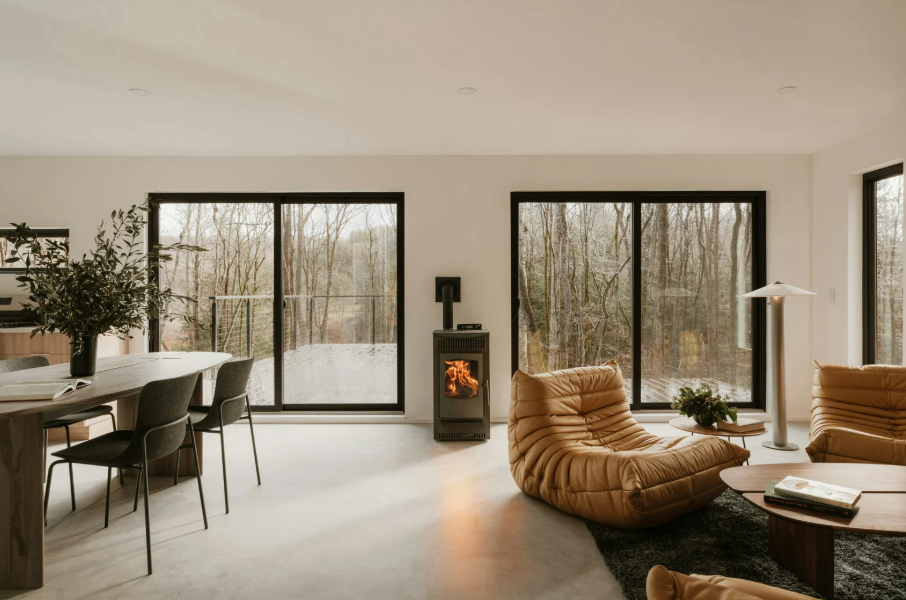
In addition to artificial lighting, natural light can dramatically influence how a renovated space feels. Rooms that receive abundant daylight often appear more spacious, welcoming, and comfortable.
During remodeling projects, homeowners may choose to enlarge windows, install skylights, or adjust window placement to improve natural light flow throughout the home. Even small adjustments can significantly brighten interior spaces.
Reflective surfaces such as light-colored walls, mirrors, and glossy finishes can also help distribute natural light more effectively. These elements amplify sunlight, reducing the need for artificial lighting during the day.
Learn How Window Placement Can Change The Feel Of A Room to improve natural light flow.
Choosing Fixtures That Complement The Design
Lighting fixtures serve both functional and decorative purposes. The style of fixtures chosen during a remodel can influence the room’s overall design.
Pendant lights above kitchen islands, chandeliers in dining rooms, and modern recessed lighting in living areas all contribute to a space’s visual character. Selecting fixtures that align with the home’s architectural style helps maintain a cohesive design.
Homeowners should also consider fixture scale and placement. Oversized fixtures can become statement pieces, while smaller fixtures may blend subtly into the overall design.
See Color Palettes That Help Homes Feel Bigger And Brighter for light and visual openness.
Smart Lighting And Energy Efficiency
Modern remodeling projects often incorporate energy-efficient lighting technologies. LED lighting has become the preferred option for many homes because it uses significantly less energy and lasts longer than traditional bulbs.
Smart lighting systems are also becoming increasingly popular. These systems allow homeowners to control brightness levels, schedules, and color temperature using smartphones or voice assistants.
Adjustable lighting can create different moods throughout the day. Bright lighting may be useful for cooking or working, while softer lighting may create a relaxing atmosphere in the evening.
Lighting Can Define The Mood Of A Space
Beyond functionality, lighting has a powerful effect on a room’s emotional atmosphere. Bright, cool-toned lighting can create an energetic environment suitable for workspaces or kitchens.
Warmer lighting tones tend to feel more comfortable and relaxing, which is why they are often used in bedrooms and living rooms. Dimmer switches allow homeowners to adjust brightness levels to match different activities or times of day.
Thoughtful lighting design helps ensure that a renovated space feels welcoming and comfortable while also supporting everyday tasks.
Lighting is far more than a finishing detail in a remodeling project. It shapes how people experience and interact with their living spaces.
By incorporating layered lighting, maximizing natural light, selecting complementary fixtures, and using energy-efficient technologies, homeowners can transform ordinary rooms into beautifully illuminated environments that enhance both style and functionality.
Explore Designing A Remodel That Still Feels Like Your Home for insight into balancing upgrades.