Remodeling a bathroom with accessibility in mind allows homeowners to remain independent and safe while continuing to live comfortably in their homes.
Bathrooms are one of the most important areas of the home to consider when planning for long-term comfort and accessibility. As homeowners age or experience changes in mobility, everyday tasks such as bathing, grooming, and using the restroom can become more challenging.
These bathroom accessibility upgrades are often referred to as aging-in-place improvements, and many of them can be incorporated into modern bathroom designs without sacrificing style or aesthetics.
Walk-In Showers And Barrier-Free Design
One of the most effective accessibility upgrades is replacing a traditional bathtub with a walk-in shower. Standard tubs require stepping over a high edge, which can become difficult or dangerous for people with limited mobility.
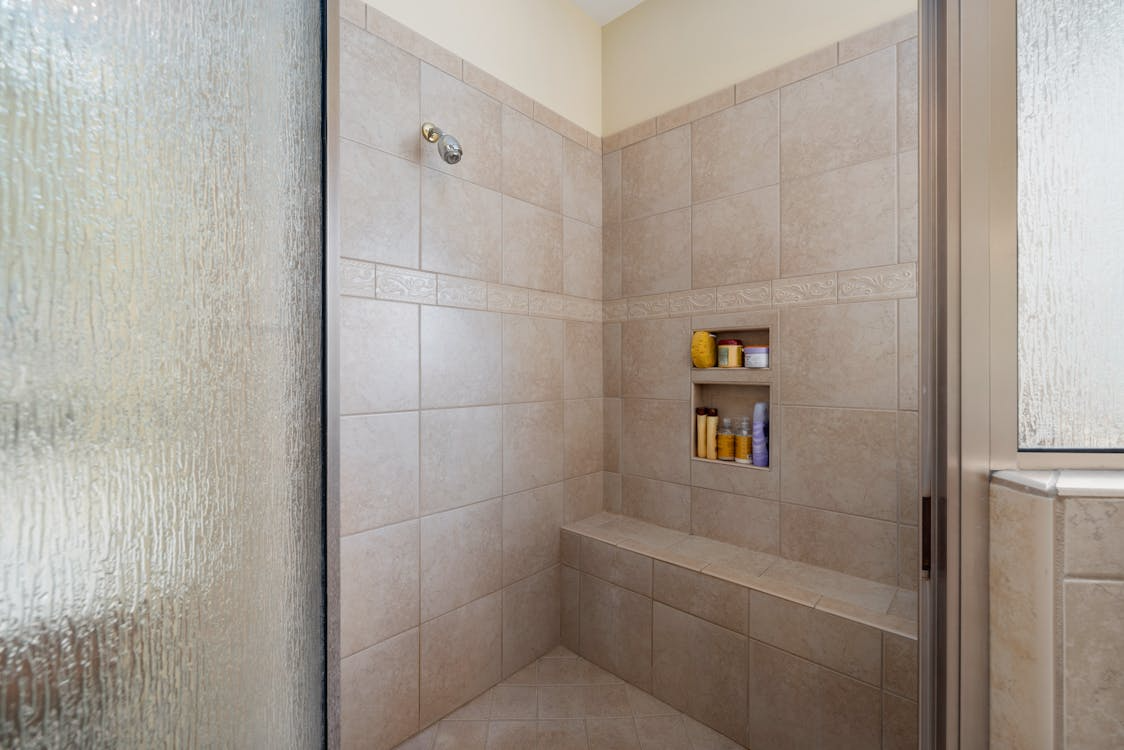
Barrier-free showers eliminate this obstacle by creating a smooth transition from the bathroom floor into the shower area. These designs reduce the risk of tripping while making the space easier to enter and exit.
Many walk-in showers also include built-in benches or fold-down seats, allowing users to sit while bathing. Handheld showerheads mounted on adjustable bars further improve comfort and flexibility for people of different heights or mobility levels.
When combined with slip-resistant flooring, walk-in showers can significantly improve bathroom safety.
See Bathroom Design Choices That Age Well Over Time for design ideas that support usability.
Grab Bars And Support Features
Grab bars are one of the simplest yet most effective accessibility upgrades for bathrooms. Properly installed support bars provide stability when standing, sitting, or moving around the space.
These bars are commonly placed near toilets, inside showers, and along walls where extra support may be needed. Modern grab bars are available in a variety of finishes and styles, allowing them to blend seamlessly with the bathroom’s overall design.
Grab bars must be securely anchored to wall framing rather than attached to drywall. During a remodel, reinforcing the walls with additional blocking makes it easier to install these features wherever they may be needed in the future.
By incorporating grab bars early in the design process, homeowners incorporate fall-prevention strategies for safer living.
Wider Doorways And Improved Layout
Accessibility improvements often involve creating more space to move comfortably within the bathroom. Narrow doorways and tight layouts can make navigation difficult, especially for individuals using walkers or wheelchairs.
Widening the bathroom doorway is a common upgrade during renovations. Doorways that measure at least 32 inches wide generally provide better accessibility and easier movement between rooms.
Inside the bathroom, rearranging fixtures can also improve usability. Ensuring sufficient clearance around the toilet, sink, and shower allows users to move safely without feeling cramped.
Even small layout adjustments can significantly improve the ease of navigation in the space.
Explore Remodeling For Multi-Purpose Living Spaces for ideas that improve flexibility.
Accessible Sink And Vanity Designs
Traditional bathroom vanities often include cabinets beneath the sink, which can limit accessibility for some users. Remodeling offers the opportunity to choose designs that accommodate a wider range of needs.
Wall-mounted sinks or floating vanities create open space beneath the basin, allowing seated users to access the sink comfortably. These designs also make cleaning easier and can create a modern, minimalist appearance.
Faucets with lever handles or touchless controls are another useful upgrade. These features are easier to operate for people with arthritis or limited hand strength compared to traditional knob-style faucets.
Adjustable mirrors or well-positioned lighting can also improve usability, ensuring the sink area remains functional for people of different heights and abilities.
Read Bathroom Remodel Upgrades That Feel Like A Spa At Home for ideas that improve comfort.
Lighting And Flooring For Safety
Lighting and flooring are often overlooked aspects of bathroom accessibility, yet they play a crucial role in preventing accidents.
Bright, evenly distributed lighting improves visibility and reduces the risk of slips or falls. Layered lighting, including overhead fixtures, vanity lighting, and night lighting, can help users navigate the bathroom safely at any time of day.
Flooring should also be chosen carefully. Slip-resistant materials such as textured tile or vinyl provide better traction than smooth surfaces. These materials help reduce the chance of slipping when the floor becomes wet.
Some homeowners also choose to install radiant floor heating, which keeps the floor warm and comfortable while preventing moisture buildup.
Bathroom accessibility upgrades are not only about safety. They also provide peace of mind and long-term usability. By incorporating barrier-free showers, supportive fixtures, improved layouts, and safer materials, homeowners can create bathrooms that remain comfortable and functional for years to come. Thoughtful design ensures that accessibility features enhance the space without sacrificing style or comfort.
Check Choosing Flooring That Works For Your Lifestyle for flooring ideas that balance safety and durability.