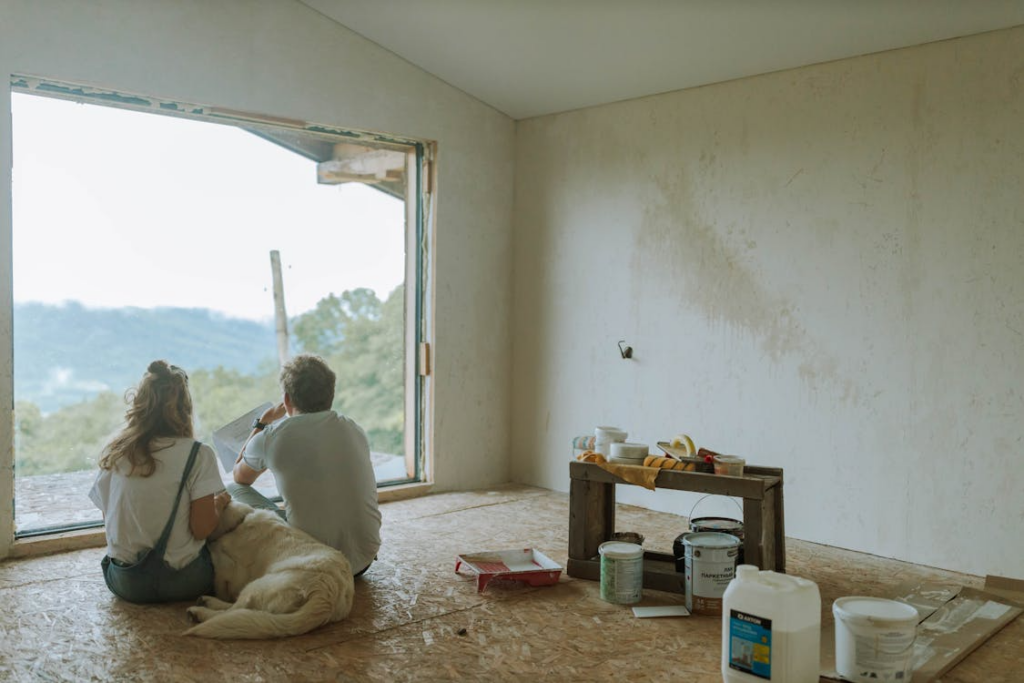
Understanding remodeling projects that add value can help homeowners invest their money wisely.
When homeowners begin planning renovations, one of the most common questions is which upgrades will actually add value to the home. Remodeling projects can improve comfort and functionality, but not every renovation delivers the same financial return.
Some upgrades enhance daily living while also increasing resale appeal, while others may be better suited for personal enjoyment rather than long-term value.
Balancing practical improvements with smart financial decisions enables homeowners to renovate with confidence and avoid spending on projects with limited returns.
Focus On Improvements That Enhance Everyday Living
One of the most reliable ways to add value through remodeling is to improve how the home functions day to day. Buyers and homeowners alike tend to value spaces that feel comfortable, efficient, and easy to use.
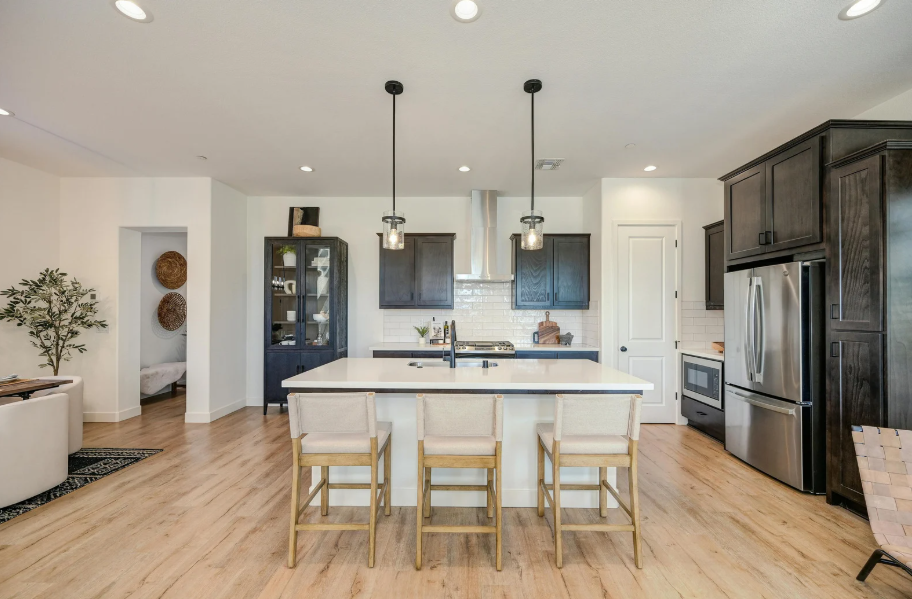
Kitchen renovations are often one of the most impactful upgrades because kitchens serve as central gathering spaces in many homes. Improving layout, adding storage, and upgrading appliances can significantly enhance both convenience and appeal.
Bathrooms are another area where remodeling often delivers strong returns. Updated fixtures, improved lighting, and modern layouts can transform outdated bathrooms into clean, comfortable, and inviting spaces.
Explore Kitchen Remodel Ideas That Improve Everyday Functionality for practical upgrade ideas.
Prioritize Structural And System Upgrades
While cosmetic improvements can make a home look better, structural and system upgrades often provide deeper long-term value. These improvements may not always be immediately visible, but they improve safety, reliability, and energy efficiency.
Examples include updating electrical wiring, replacing outdated plumbing, improving insulation, and upgrading heating or cooling systems. Buyers often appreciate homes where these essential systems have already been modernized.
These upgrades can also reduce long-term maintenance costs and energy bills. Even if they do not significantly change the home’s appearance, they enhance the property’s overall quality and durability.
See Energy-Efficient Upgrades Worth Adding During A Remodel for cost-saving improvements.
Consider Projects That Improve Space And Functionality
Another remodeling strategy that often increases value is improving how space is used within the home. Many older homes were designed with layouts that do not fully match modern lifestyles.
Opening walls between kitchens and living areas, adding functional storage, or converting underused spaces can dramatically improve usability. For example, turning an unfinished basement into a livable area can add significant square footage and expand the home’s functionality.
Similarly, attic conversions or garage conversions can create new bedrooms, offices, or recreation areas without expanding the home’s physical footprint.
Check Turning An Unfinished Basement Into A Livable Space for space-expanding ideas.
Evaluate Local Market Expectations
Not all remodeling projects add equal value in every housing market. What buyers expect from a home can vary depending on location, neighborhood, and price range.
For example, luxury upgrades may not significantly increase value in neighborhoods where most homes have simpler finishes. On the other hand, basic updates may be essential in areas where buyers expect modern kitchens, updated bathrooms, and energy-efficient features.
Researching local real estate trends can help homeowners understand which upgrades are most appealing in their area. Real estate agents and remodeling professionals can often provide insights into which improvements are most likely to attract future buyers.
Explore Outdoor Living Remodels That Extend Your Home’s Usable Space for comfort-focused upgrades.
Balance Personal Enjoyment With Future Resale Value
While resale value is an important factor, homeowners should also consider how renovations impact their own daily lives. Some upgrades may not deliver the highest financial return but can significantly improve comfort and enjoyment.
For example, adding built-in storage, improving lighting, or upgrading outdoor living spaces may not dramatically increase resale price, but they can make a home more enjoyable to live in.
The most successful remodeling plans usually balance both priorities. Projects that improve daily living while also appealing to future buyers often provide the best overall value.
Choosing the right remodeling projects requires thoughtful planning and realistic expectations. By focusing on functionality, structural improvements, efficient use of space, and local market preferences, homeowners can make smarter decisions about where to invest their renovation budget.
When upgrades are carefully selected, remodeling can enhance everyday living while also strengthening the home’s long-term value.