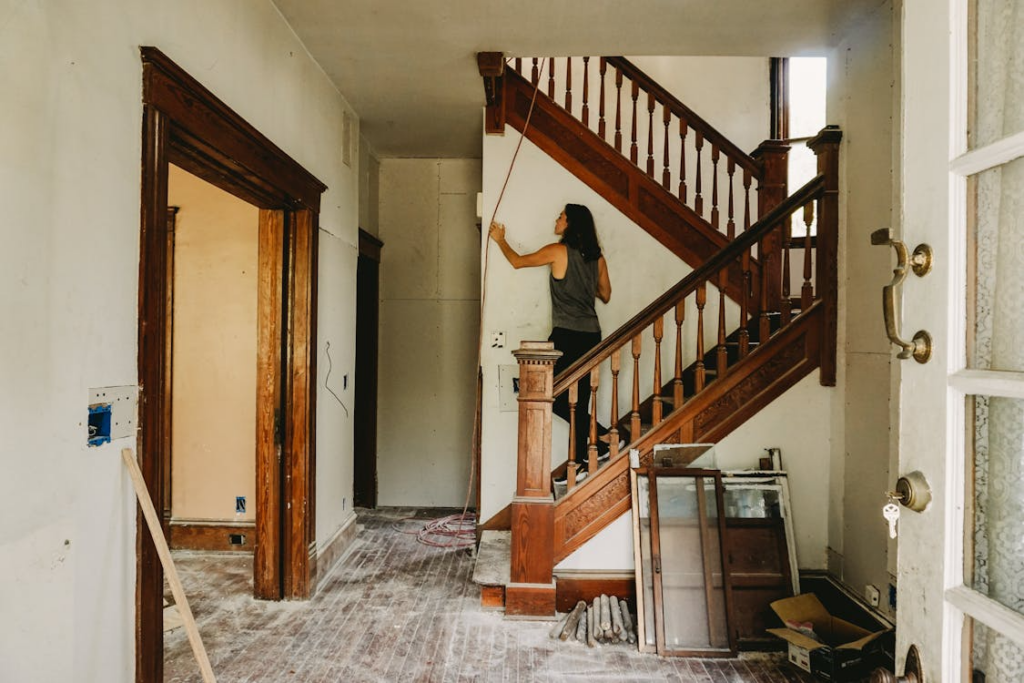

Understanding how permits and building codes work helps homeowners avoid delays, fines, or costly corrections during remodeling projects.
Home remodeling projects often involve more than design decisions and construction work. Many renovations must also comply with local building codes and require official permits before work can begin. While these regulations may seem inconvenient, they play an important role in protecting homeowners and ensuring renovations are completed safely.
By planning and working with qualified professionals, homeowners can ensure their renovations meet the requirements.
Why Building Permits Exist
Building permits are official approvals issued by local government agencies that allow certain types of construction work to begin. These permits confirm that a project has been reviewed and meets basic safety standards required by local building codes.
Permits exist to ensure that construction work is completed safely and correctly. Without proper oversight, poorly installed electrical systems, plumbing, or structural changes could create serious safety hazards for homeowners and future occupants.
By requiring permits, local authorities help maintain consistent construction standards across communities. This protects property values and ensures that buildings meet modern safety expectations.
Explore Signs Your Home Is Ready For A Major Remodel to identify when renovations become necessary.
Remodeling Projects That Typically Require Permits
Not every home improvement project requires a permit, but many remodeling tasks do. In general, projects that involve structural changes, electrical systems, plumbing, or mechanical systems are most likely to require approval.
Common examples include removing or modifying walls, installing new electrical circuits, upgrading plumbing systems, replacing HVAC equipment, or adding new rooms or extensions. These projects affect critical home systems and must comply with building code regulations.
Cosmetic updates such as painting, replacing flooring, or installing decorative fixtures usually do not require permits. However, requirements can vary depending on location, so homeowners should always check with their local building department before starting work.
See When To DIY A Remodel And When To Hire Professionals to know the right approach.
How Building Codes Influence Remodeling Projects
Building codes are sets of rules that establish minimum safety standards for construction. These codes cover a wide range of topics, including structural stability, fire safety, electrical systems, plumbing, and ventilation.
When remodeling work is performed, contractors must follow these codes to ensure the completed project meets safety requirements. For example, electrical wiring must meet specific standards to prevent fire hazards, and plumbing installations must follow guidelines that protect water quality and system reliability.
Building codes also influence design decisions. Certain structural changes may require additional support, specific materials, or updated safety features. Understanding these requirements early in the planning process helps avoid costly design revisions later.
Check The Hidden Costs Homeowners Forget During Renovations to prepare for unexpected expenses.
The Permit Application and Inspection Process
Obtaining a permit typically involves submitting renovation plans to the local building department for review. These plans may include drawings, construction details, and information about materials and systems being installed.
Once the permit is approved, construction work can begin. During the renovation, inspectors may visit the property at various stages to verify that the work meets building code requirements.
These inspections often occur after major steps such as framing, electrical installation, or plumbing work. If the work passes inspection, the project can move forward to the next phase. Once the renovation is complete, a final inspection confirms that the project meets all applicable regulations.
Read Questions To Ask Contractors Before Starting A Remodel to prepare for renovation work.
Why Skipping Permits Can Create Problems
Some homeowners consider skipping the permit process to save time or money, but this decision can create significant complications later. Unpermitted work may violate local building codes and result in fines or mandatory corrections.
Unapproved renovations can also cause problems when selling a home. During property inspections or appraisals, buyers may discover that previous renovations were completed without proper permits.
In some cases, homeowners may be required to remove or redo work that does not meet building standards. These corrections can be far more expensive than obtaining the permit in the first place.
Permits and building codes may seem complicated, but they serve an essential purpose in protecting homeowners and ensuring that remodeling projects are safe and reliable. By understanding when permits are required and how building codes influence construction, homeowners can approach renovations with greater confidence.
Working with experienced contractors and local building authorities helps ensure that remodeling projects move forward smoothly while meeting the standards required for safe and successful construction.