Multi-purpose living spaces are especially valuable in homes where maximizing efficiency and flexibility is essential.
Modern homes often need to serve multiple purposes at once. A single room might function as a workspace during the day, a family gathering area in the evening, and an entertainment space on weekends. As lifestyles change, homeowners increasingly seek remodeling solutions that enable rooms to adapt to various activities.
Designing multi-purpose spaces helps homeowners make the most of their available square footage. Instead of dedicating entire rooms to a single use, flexible layouts allow spaces to evolve as needs change. With thoughtful planning, remodeling projects can create environments that remain comfortable, organized, and functional throughout the day.
Designing Flexible Room Layouts
The first step in creating a multi-purpose space is designing a layout that supports different activities. Furniture placement, traffic flow, and access to storage all play important roles in how adaptable a room becomes.
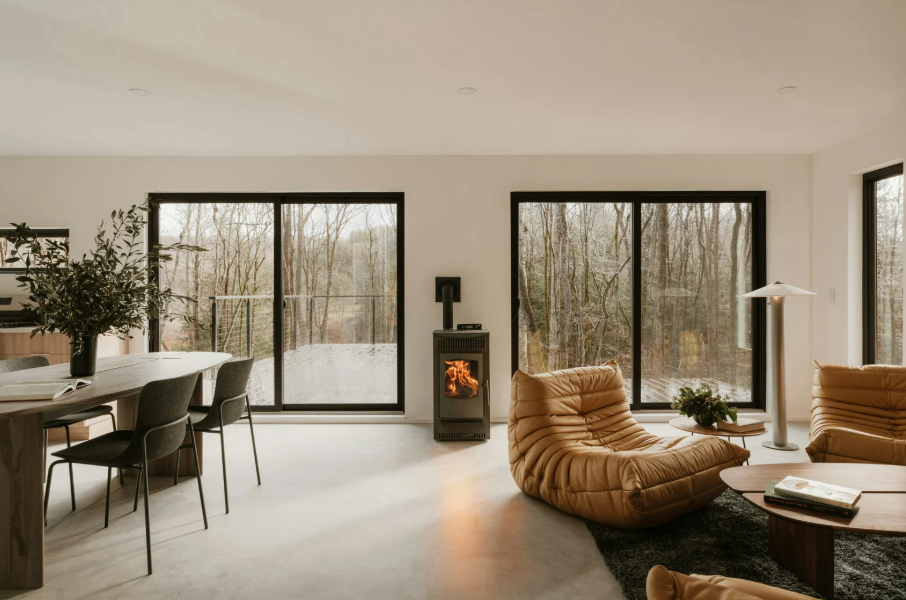
Open floor plans often provide the best starting point for flexible living spaces. Without walls dividing the area, homeowners can easily arrange furniture to shift the room’s function.
Movable furniture, such as modular seating, folding tables, or lightweight chairs, makes it easier to adjust the room layout for different activities. This flexibility allows the same space to accommodate work, relaxation, and social gatherings.
Explore Open Concept Vs Defined Rooms In Modern Remodeling to understand flexible spaces.
Smart Storage Keeps Spaces Organized
When a room serves multiple purposes, storage becomes even more important. Without adequate organization, multi-purpose spaces can quickly become cluttered as items from different activities accumulate.
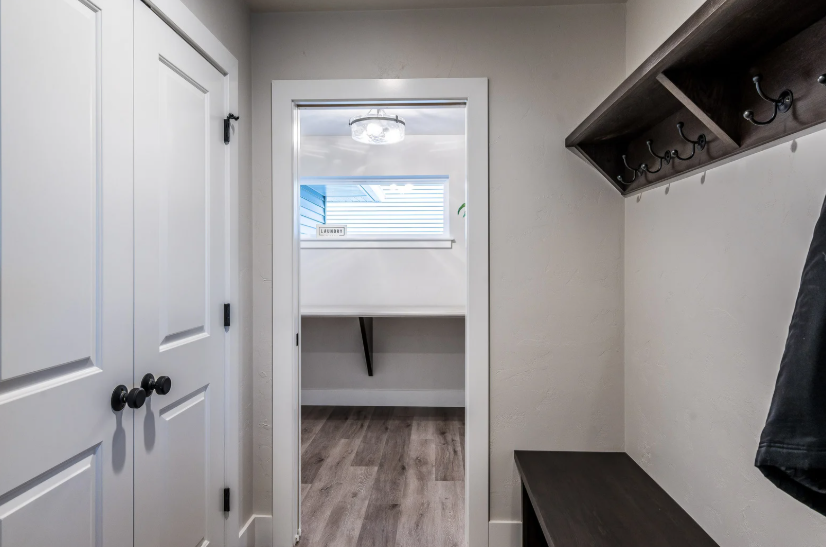
Built-in storage solutions help maintain order while preserving floor space. Shelving units, cabinets, and hidden compartments allow homeowners to store equipment, office supplies, or entertainment items out of sight when not in use.
Furniture with built-in storage also supports flexible living. Ottomans, benches, and coffee tables that contain hidden compartments allow everyday items to be stored conveniently while maintaining a clean appearance.
See Laundry Room Remodels That Make Chores Easier for ideas that improve everyday workflow.
Creating Zones Within A Shared Space
Even in open rooms, it can be helpful to establish visual zones that define different activities. Zoning allows multiple functions to exist within the same area without creating confusion or clutter.
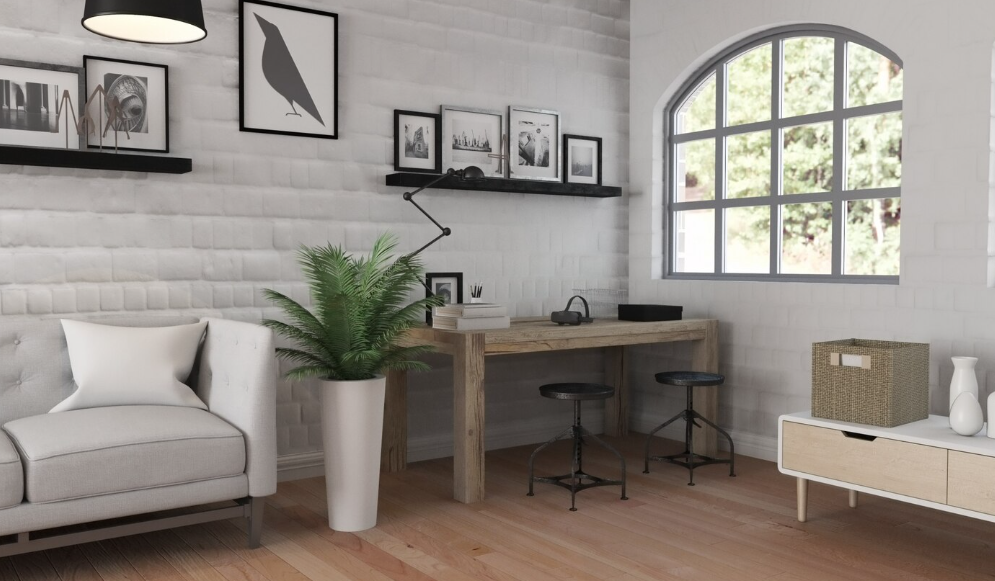
Area rugs, lighting arrangements, and furniture placement can subtly divide the room. For example, a desk and task lighting may define a workspace while a sofa and coffee table create a comfortable relaxation zone.
Room dividers, shelving units, or sliding panels can also create temporary separation when privacy or focus is needed.
Read Mixing Modern Features With Classic Home Architecture to balance style and function.
Lighting Supports Multiple Activities
Lighting plays a key role in how effectively a room supports different functions. A multi-purpose space may require different lighting conditions depending on the activity.
Bright task lighting is useful for work or reading areas, while softer ambient lighting may create a more relaxed environment for entertainment or family time.
Layered lighting designs allow homeowners to adjust brightness levels throughout the day. Dimmer switches and adjustable fixtures provide flexibility, allowing the same room to shift from a productive workspace to a comfortable gathering area.
Planning For Technology And Connectivity
Many multi-purpose rooms need to support modern technology. Workspaces may require power outlets, internet connectivity, and charging stations, while entertainment areas may include televisions or audio equipment.
During remodeling projects, planning for these technological needs helps prevent clutter and exposed cables. Built-in outlets, concealed wiring, and organized media centers help maintain a clean and functional design.
Designing the space with technology in mind ensures that it supports both productivity and leisure activities.
Multi-purpose living spaces reflect the evolving ways people use their homes. By designing flexible layouts, incorporating smart storage, creating activity zones, using layered lighting, and planning for modern technology, homeowners can transform ordinary rooms into adaptable environments.
When remodeling projects prioritize flexibility, the home becomes better equipped to support work, relaxation, and social gatherings—all within the same thoughtfully designed space.
Check Garage Conversions: Expanding Living Space Without Building Additions for insights on flexible living areas.