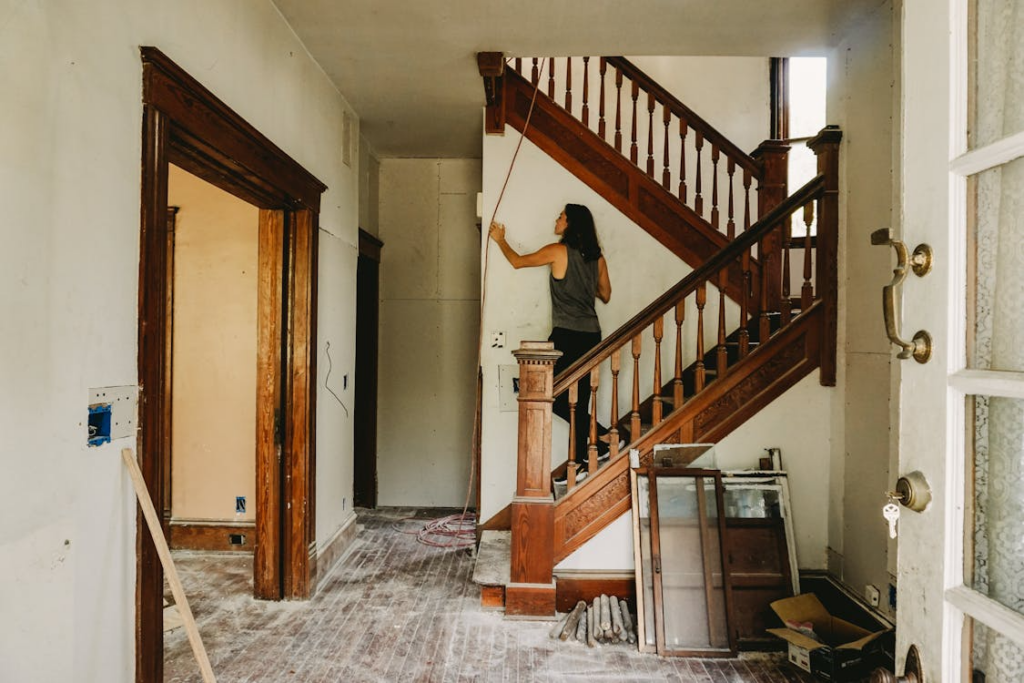

Taking time to organize the space and plan can make the entire renovation process smoother for both homeowners and construction crews.
Starting a home renovation project can be exciting, but the period before construction begins is just as important as the remodeling work itself. Learning how to prepare your home for renovation helps protect your belongings, reduce stress, and allows contractors to work efficiently.
Many homeowners focus primarily on design plans and contractor selection, but preparing the home environment is a critical step that can prevent delays and unnecessary complications.
Clear The Work Area Completely
One of the most important steps before renovation begins is clearing the work area of all furniture, decorations, and personal belongings. Even small items left in the room can impede contractors and increase the risk of accidental damage.
Removing everything from the renovation zone allows construction crews to work more efficiently and safely. It also prevents dust, debris, or tools from damaging personal items during demolition and construction.
For larger remodeling projects, homeowners may need to relocate furniture to other areas of the house or temporarily store items in a garage, basement, or storage unit. Planning this step prevents last-minute scrambling once the renovation team arrives.
Explore Living In Your Home During A Remodel: What To Expect to manage daily life during renovations.
Protect Areas That Are Not Being Renovated
Even when renovation work is limited to one part of the home, construction activity can affect nearby areas. Dust from demolition, sanding, and cutting materials often spreads through doorways, ventilation systems, and hallways.
To minimize impact on the rest of the home, it is helpful to protect nearby areas before construction begins. Contractors may install plastic barriers, temporary walls, or protective coverings to contain dust within the work area.
Homeowners can also remove fragile items from surrounding rooms and cover any exposed floors or furniture to prevent dust from settling. These precautions help preserve the home’s condition during renovations.
See Turning An Unfinished Basement Into A Livable Space for ideas on expanding usable space.
Plan Temporary Living Arrangements
Some renovation projects make daily routines more difficult, especially if they involve kitchens, bathrooms, or major structural changes. Homeowners should consider how construction will affect their ability to cook, sleep, and use essential spaces.
If the kitchen is unavailable, setting up a temporary food preparation area elsewhere in the home can help maintain normal routines. Small appliances like microwaves, coffee makers, and portable cooktops can make this temporary setup more convenient.
For larger renovations, homeowners may choose to stay with family members or rent temporary accommodations. Planning these arrangements helps reduce stress once construction begins.
Learn Renovating Room By Room Vs Whole-Home Remodeling to manage renovation timelines.
Secure Valuables And Important Documents
Construction projects involve multiple workers, tools, and constant movement throughout the home. While most contractors are trustworthy professionals, it is still wise to secure valuable items and sensitive documents before renovations begin.
Jewelry, personal records, electronics, and other valuable belongings should be stored in a safe location that will not be accessed during the project. This precaution protects important items from accidental damage or misplacement.
It is also helpful to move fragile decorations or heirlooms away from areas where vibration or movement may occur during demolition or construction.
Prepare For Noise, Dust, And Daily Disruptions
Home renovations inevitably create noise, dust, and changes to everyday routines. Preparing mentally and practically with containment strategies can make the experience easier to manage.
Construction work often begins early in the morning and may continue throughout the day. Power tools, demolition, and equipment movement can create significant noise levels.
Homeowners may also need to adjust schedules, especially if they work from home or have young children or pets. Planning quiet spaces or alternative work locations can help reduce the impact of construction activity.
Preparing a home for renovation is not just about protecting furniture and belongings. It also involves creating an environment where contractors can work efficiently and safely while minimizing disruption to daily life.
By clearing work areas, protecting nearby spaces, planning temporary living arrangements, securing valuables, and preparing for construction noise, homeowners can help ensure their renovation project starts smoothly and progresses without unnecessary complications.
Check The Real Timeline Of A Typical Home Remodeling Project for insight into renovation phases.