Successfully blending contemporary upgrades with traditional architecture requires thoughtful planning and design choices that respect the home’s original style.
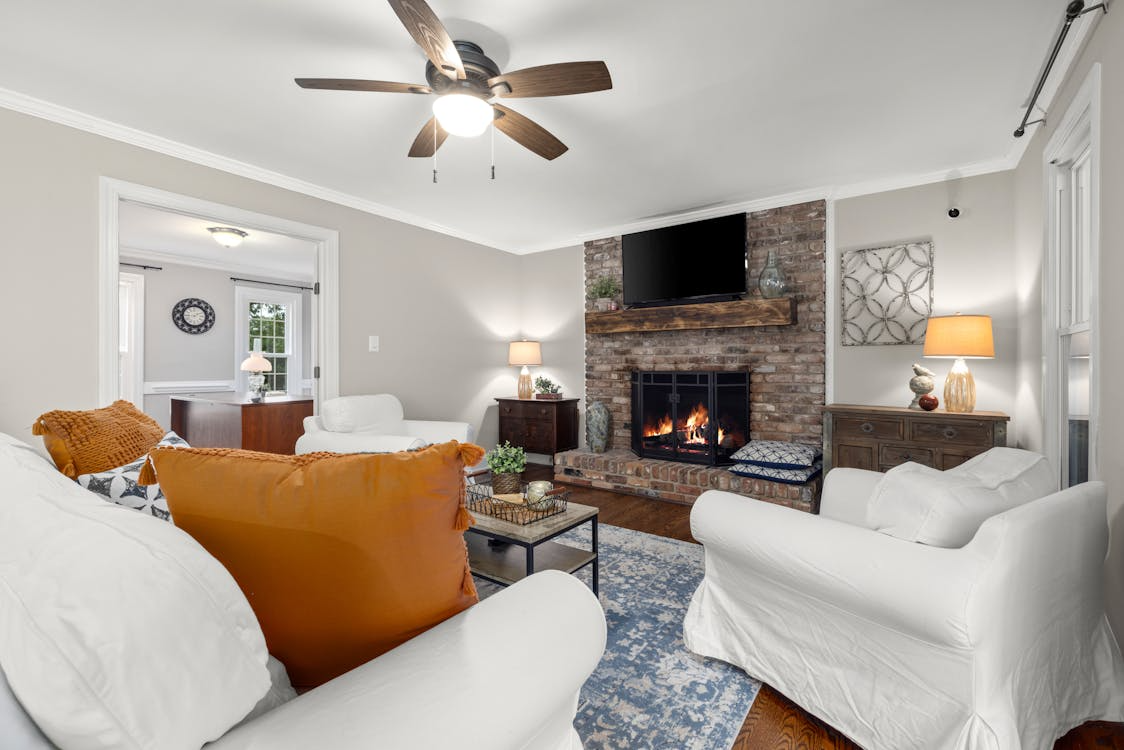
Many homeowners fall in love with older homes because of their character, craftsmanship, and architectural charm. Details such as crown molding, hardwood floors, decorative trim, and traditional layouts often give classic homes a sense of personality that newer construction sometimes lacks.
However, while the architecture may be beautiful, older homes do not always meet modern expectations for comfort, technology, and functionality. Remodeling projects often involve updating these homes with modern features while preserving the character that made them appealing in the first place.
Preserve The Architectural Details That Define The Home
One of the most important steps in remodeling a classic home is identifying the architectural features that give the house its character. Elements such as original woodwork, built-in cabinetry, exposed beams, or decorative moldings often contribute significantly to the home’s personality.
Whenever possible, these details should be preserved or restored during renovation. Refinishing the original hardwood floors, repairing trim work, or restoring historical features can help maintain the home’s authentic feel.
By protecting these distinctive elements, homeowners ensure that modern upgrades enhance the home rather than erase its original identity.
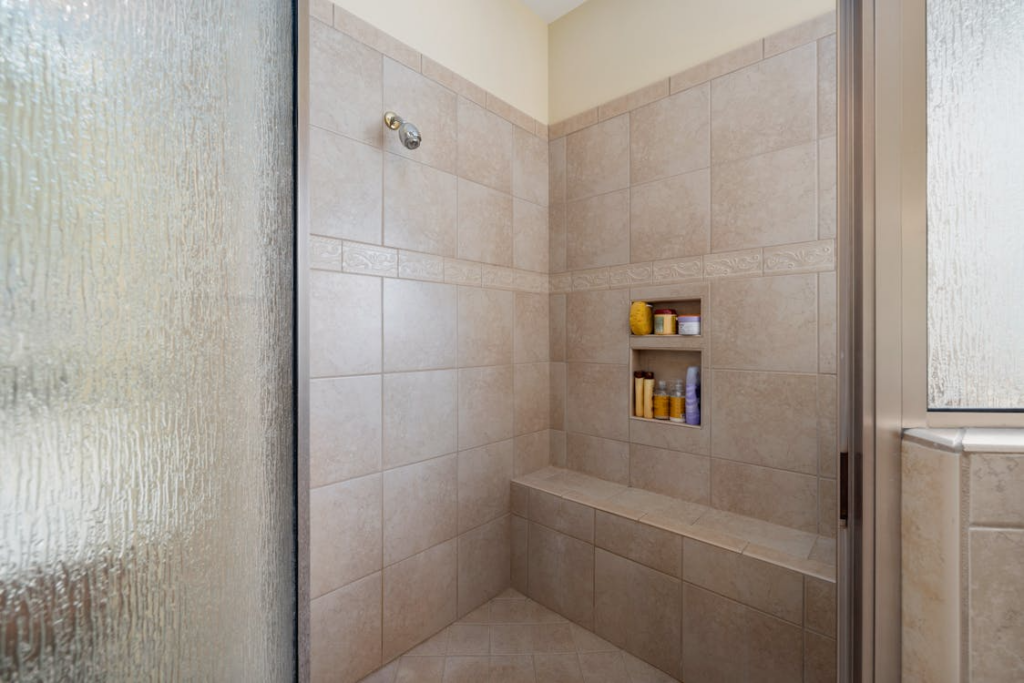
Explore Bathroom Design Choices That Age Well Over Time for timeless remodeling ideas.
Introduce Modern Materials Carefully
Modern materials can significantly improve durability and efficiency, but they should be chosen carefully for older homes. Sleek finishes and ultra-modern materials may clash visually with traditional architecture if not balanced properly.
For example, homeowners might select quartz countertops that resemble natural stone or modern appliances with classic styling. These choices provide modern performance while maintaining visual harmony with traditional design elements.
Blending materials in this way allows homeowners to enjoy contemporary conveniences without disrupting the home’s overall aesthetic.
See Bathroom Remodel Upgrades That Feel Like A Spa At Home for ideas that balance modern comfort and design.
Update Layouts Without Losing Character
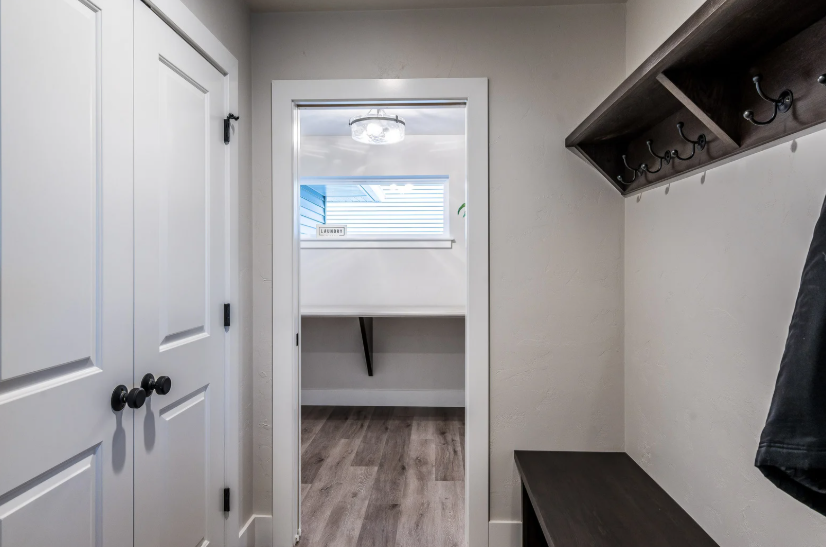
Many older homes feature compartmentalized layouts with smaller rooms connected by narrow doorways. While these layouts were common in earlier architectural styles, modern households often prefer more open and flexible spaces.
Remodeling projects may involve widening doorways, creating partial openings between rooms, or removing select walls to improve flow. However, eliminating all room divisions may diminish the home’s charm.
Instead of fully open floor plans, many homeowners choose transitional layouts that maintain some separation while improving connectivity between spaces.
Discover Attic Conversions For Extra Bedrooms Or Offices for ideas on expanding older homes thoughtfully.
Integrate Modern Technology Discreetly
Smart home technology has become increasingly common in modern renovations. Features such as automated lighting, smart thermostats, and integrated security systems can improve comfort and convenience.
When remodeling older homes, the key is to integrate these technologies without distracting from the architectural style. Discreet installations help maintain the space’s visual integrity.
For example, hidden wiring, subtle lighting fixtures, and concealed speakers allow homeowners to enjoy modern technology without altering the home’s classic appearance.
Choose Timeless Design Elements
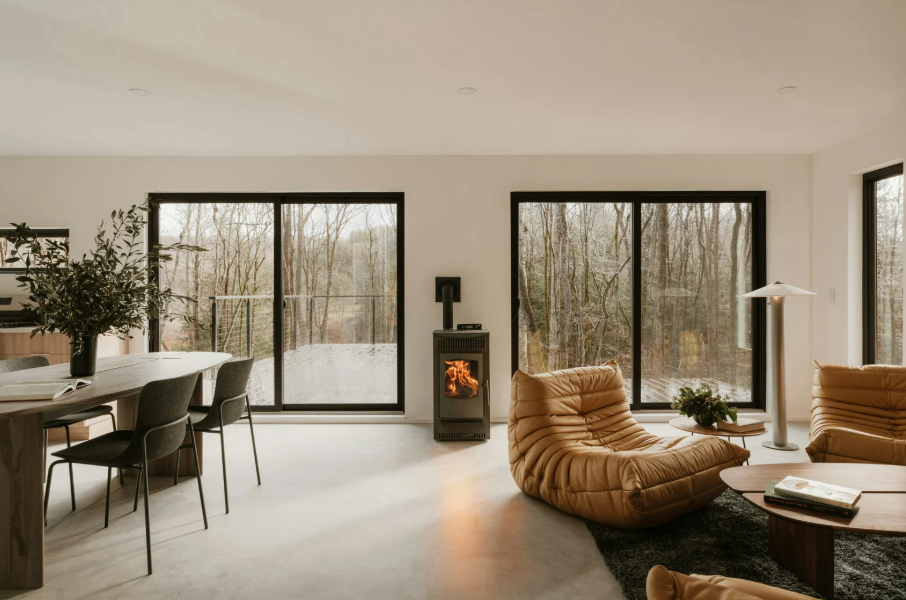
When combining modern and traditional design elements, timelessness becomes especially important. Materials, colors, and fixtures that remain stylish across decades help bridge the gap between architectural eras.
Neutral color palettes, natural materials, and simple fixture designs tend to complement both contemporary and classic interiors. These elements provide visual continuity throughout the home.
By avoiding overly trendy features, homeowners can ensure that their renovations remain attractive even as design trends evolve.
Blending modern upgrades with classic architecture allows homeowners to enjoy the best of both worlds. Renovations can improve comfort, efficiency, and functionality while still preserving the charm and craftsmanship that make older homes special.
By protecting original architectural details, selecting compatible materials, thoughtfully updating layouts, and integrating technology carefully, homeowners can create spaces that honor the past while supporting modern living.
Read Designing A Remodel That Still Feels Like Your Home for ideas on preserving architectural character.