Learning how to remodel without losing character requires thoughtful choices that respect both the architecture and the people who live there.
Remodeling offers homeowners the opportunity to refresh their living spaces, improve functionality, and modernize outdated features. However, one concern many homeowners have during renovations is losing the character and comfort that originally made the house feel like home.
When remodeling decisions focus only on trends or dramatic changes, the finished space can sometimes feel unfamiliar or disconnected from the home’s original personality. The most successful renovations balance improvement with continuity, ensuring that updates enhance the home while preserving its unique identity.
Preserve The Elements That Give Your Home Character
Every home has features that contribute to its personality. These elements might include architectural details, distinctive materials, or design features that have been part of the home for many years.
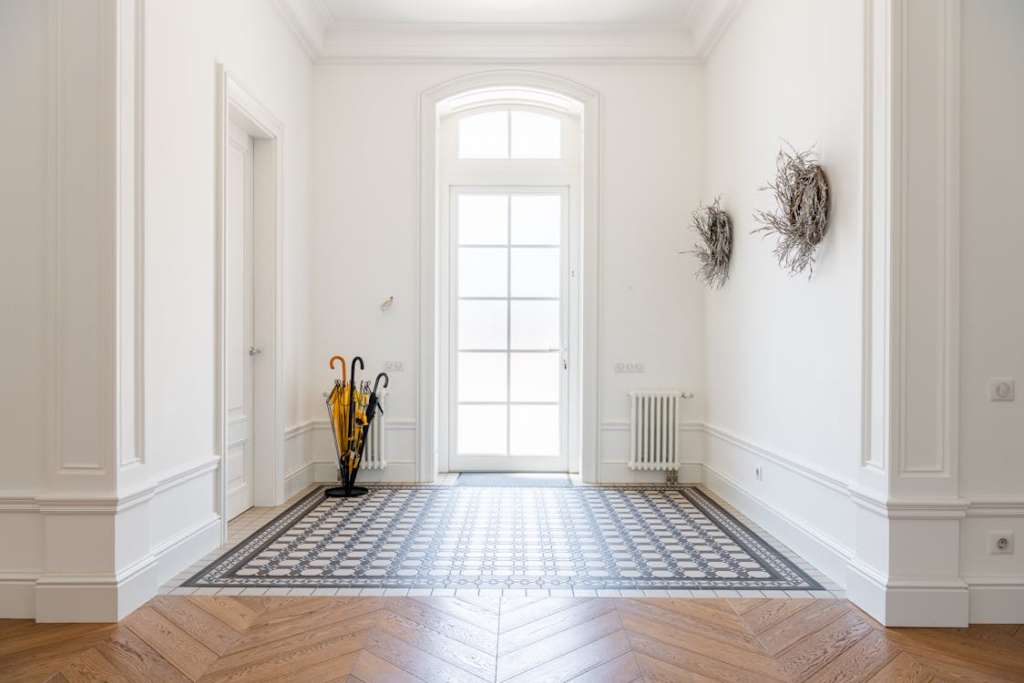
Original hardwood floors, decorative moldings, built-in shelving, and unique window designs are examples of details that often define a home’s character. When possible, preserving these features during remodeling can maintain the familiar atmosphere that homeowners value.
Restoring or refinishing existing elements can often be more meaningful than replacing them entirely. These preserved details connect the home’s past to its updated design.
See Renovating Room By Room Vs Whole-Home Remodeling for tips on the right renovation approach.
Blend New Design With Existing Architecture
When introducing new materials or layouts, it is important to consider how they interact with the home’s original architectural style. Modern finishes and fixtures can look beautiful, but they should complement the existing structure rather than compete with it.
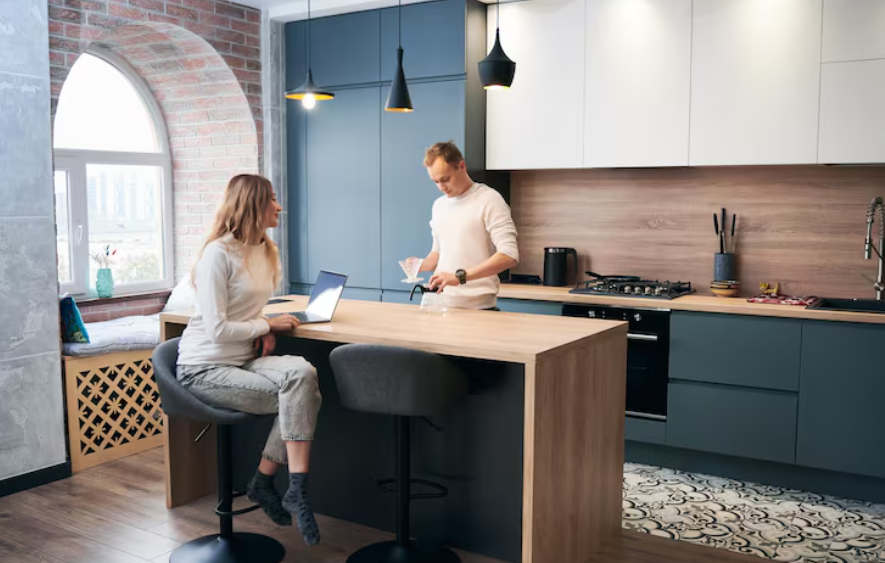
For example, contemporary lighting fixtures or updated cabinetry can work well when paired with traditional architectural features if the colors and materials are chosen thoughtfully. Mixing styles carefully creates visual balance.
By selecting finishes that echo the home’s existing materials or color palette, homeowners can introduce modern updates while maintaining a sense of continuity throughout the space.
Explore Mixing Modern Features With Classic Home Architecture to balance old and new styles.
Focus On How The Space Will Be Used
A remodel should improve how a home functions for its occupants. Instead of focusing only on appearance, homeowners benefit from considering how each room will support everyday routines.
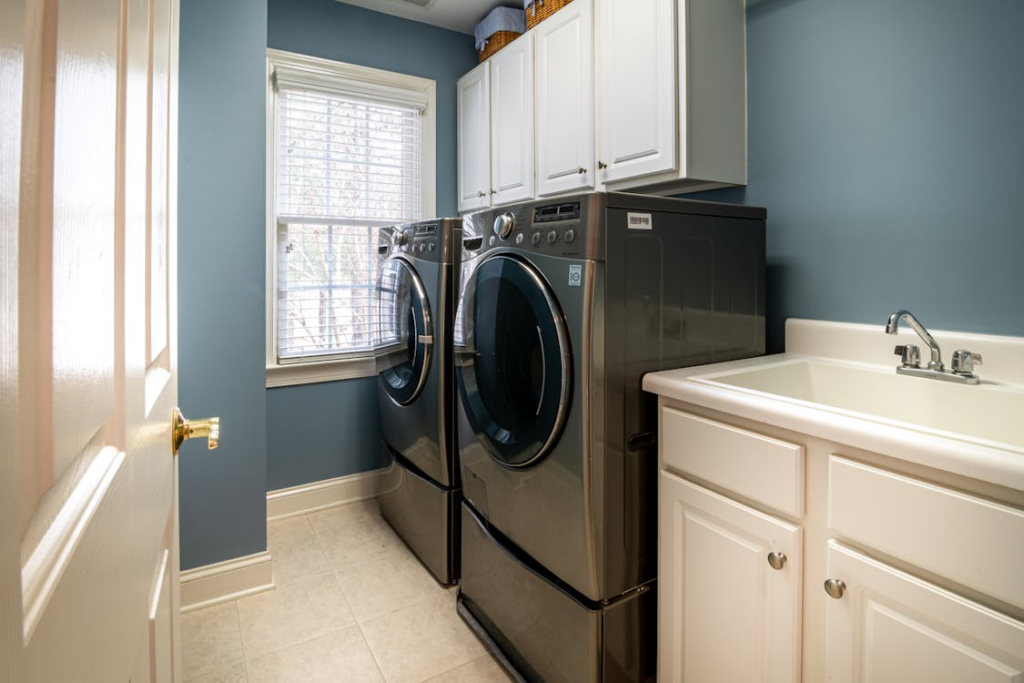
Improving storage, adjusting layouts, and enhancing lighting can make a home more comfortable while still preserving its familiar atmosphere. Small changes that improve functionality often have a greater impact on daily life than purely decorative upgrades.
Design decisions that support real household needs help ensure the renovated home continues to feel comfortable and natural to live in.
Learn How To Prepare Your Home Before Renovation Begins for helpful preparation tips.
Avoid Following Trends Too Closely
Home design trends can be inspiring, but relying too heavily on current ones may make a remodel feel dated after only a few years. What looks fashionable today may not always age well.
Instead of chasing short-lived trends, homeowners often benefit from focusing on timeless materials and classic design principles. Neutral color palettes, durable finishes, and balanced proportions tend to remain appealing for many years.
Trendy elements can still be included in smaller ways, such as decorative accents or easily replaceable fixtures.
Incorporate Personal Style And Meaningful Details
A home feels most authentic when it reflects the personalities and experiences of the people who live there. During a remodel, incorporating personal touches can help maintain this connection.
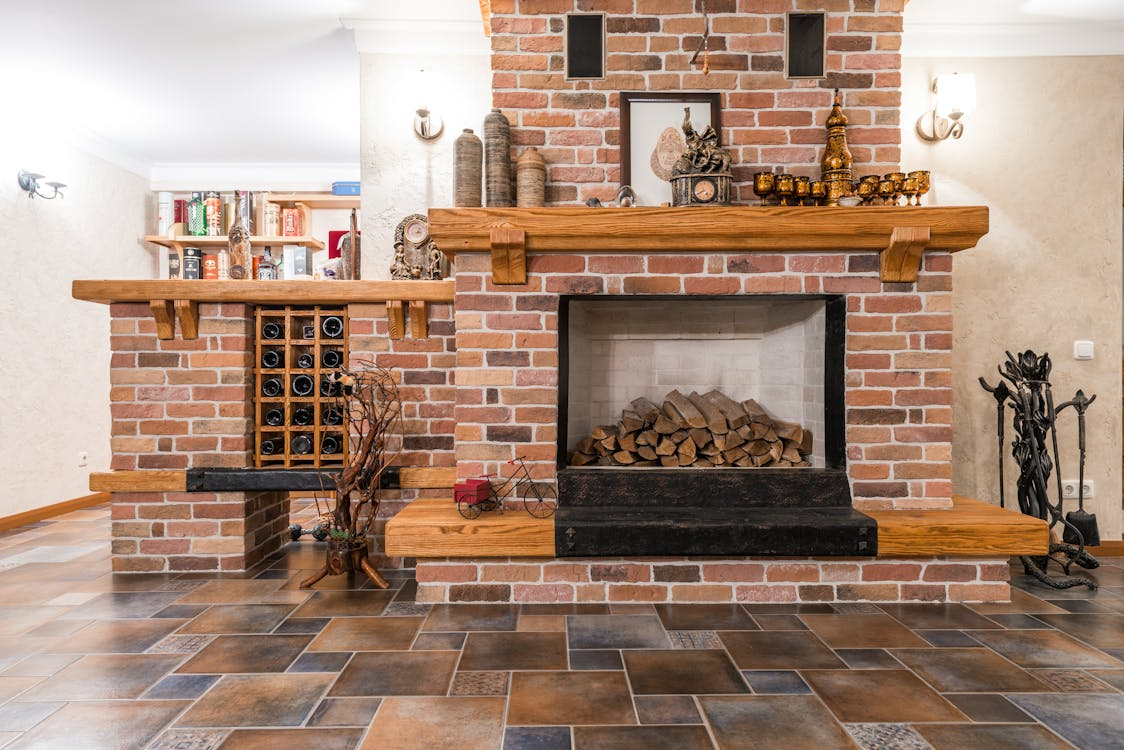
Family heirlooms, meaningful artwork, and design elements that reflect personal interests can make the space feel unique. Custom shelving, display areas, or built-in features can provide places to showcase items that matter to the household.
These details create emotional continuity between the old and new versions of the home.
A well-designed remodel improves comfort, functionality, and appearance without erasing the qualities that made the home special in the first place. By preserving key architectural elements, blending modern updates with existing design, and focusing on practical living needs, homeowners can achieve a renovation that feels both fresh and familiar.
When thoughtful design rather than temporary trends guides renovations, the result is a home that evolves while still feeling unmistakably like home.
Check Questions To Ask Contractors Before Starting A Remodel for helpful renovation planning guidance.