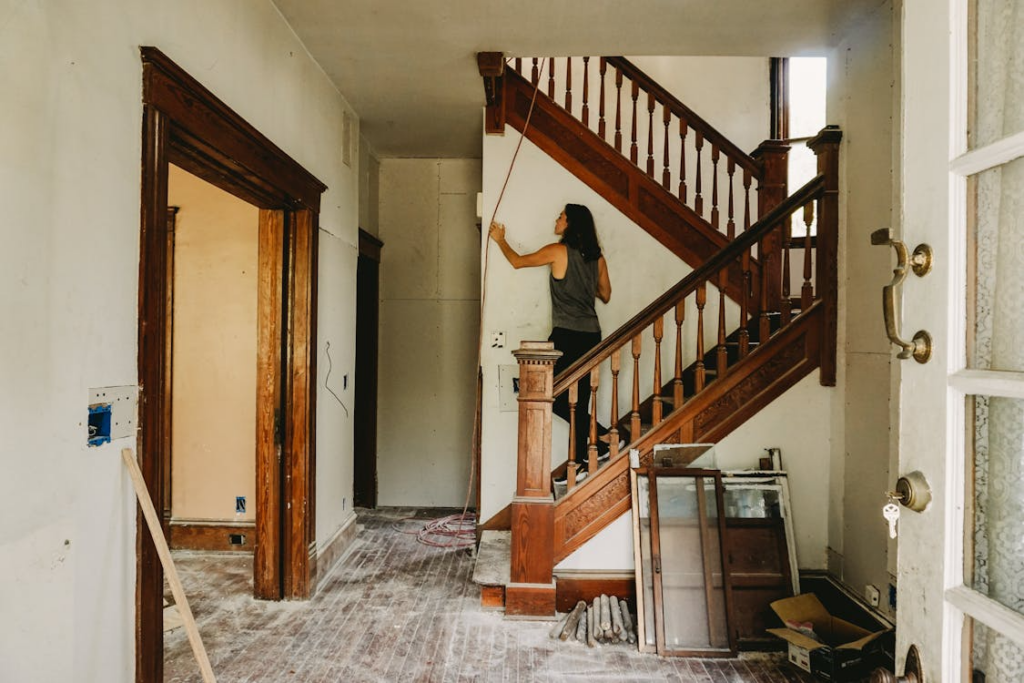

By understanding where costs typically increase and how to prepare for them, homeowners can make confident decisions that improve their homes without creating unnecessary financial strain.
Planning a home remodel is exciting, but costs can quickly add up. Many homeowners begin researching home remodel budgeting tips after discovering how easily renovation expenses can exceed early estimates. The key to avoiding financial stress is thoughtful planning before construction begins.
A well-planned remodel balances design goals, realistic budgeting, and smart prioritization.
Start With A Clear Vision For Your Remodel
Before discussing budgets or hiring contractors, homeowners should first define what they want to achieve with the remodel. Renovations often grow more expensive when the project scope changes midway through construction. Establishing a clear vision early helps prevent costly revisions.
Begin by identifying the main purpose of the renovation. Some homeowners want to improve functionality, such as updating a cramped kitchen layout. Others may focus on aesthetics, energy efficiency, or increasing property value. Clarifying these goals ensures that each decision supports the larger plan.
It also helps to gather inspiration before planning the budget. Photos, design examples, and material preferences provide a visual direction for the project. This preparation allows contractors and designers to provide more accurate estimates because the desired outcome is easier to understand.
Explore Signs Your Home Is Ready For A Major Remodel to understand when renovation makes sense.
Build A Realistic Renovation Budget
Once the vision is clear, the next step is creating a realistic financial plan. Many homeowners underestimate renovation costs by focusing only on materials or contractor quotes. In reality, remodeling budgets must account for several expense categories.
A typical renovation budget includes labor, materials, permits, design services, and project management. Labor costs alone can account for a large share of total expenses, especially for structural or specialized work. Materials can also vary widely in price depending on quality and availability.
Researching typical remodeling costs in your area helps establish realistic expectations. Contractors can often provide rough estimates during early consultations, allowing homeowners to compare their vision with practical financial constraints. Adjusting plans at this stage is far easier than making changes once construction begins.
See The Hidden Costs Homeowners Forget During Renovations for insight into overlooked expenses.
Plan For Hidden Costs And Surprises
Even the most carefully planned remodels encounter unexpected challenges. Older homes may hide outdated wiring, plumbing issues, structural problems, or water damage that only becomes visible during demolition.
These hidden issues are one of the most common reasons renovation budgets increase unexpectedly. Without preparation, they can force homeowners to make difficult decisions, such as cutting features or delaying the project.
Setting aside a contingency fund is one of the best ways to manage these surprises. Many remodeling professionals recommend reserving an additional 10–20 percent of the total project budget for unforeseen repairs or adjustments. This financial cushion allows the project to continue smoothly even if complications arise.
Explore Budget Buffers: Why Every Remodel Needs A Contingency Fund to prepare for unexpected costs.
Prioritize The Upgrades That Matter Most
When budgets are limited, prioritization becomes essential. Instead of trying to upgrade everything at once, homeowners should focus on the changes that deliver the greatest functional improvements or long-term value.
For example, structural improvements, layout changes, and major systems such as plumbing or electrical work often warrant higher priority than cosmetic upgrades. While decorative features can enhance a space, foundational improvements typically deliver the most lasting benefits.
Homeowners can also consider phasing certain upgrades over time. Completing the most important improvements during the primary remodel allows other updates to happen later without overwhelming the budget.
Learn How To Decide Which Remodeling Projects Add The Most Value for guidance on prioritizing upgrades.
Work With Professionals Who Respect Your Budget
Choosing the right professionals can significantly influence whether a remodeling project stays on track financially. Experienced contractors understand how to plan efficiently, anticipate challenges, and recommend cost-effective alternatives when necessary.
During early discussions, homeowners should clearly communicate their budget and ask contractors for guidance on achieving the desired outcome within those limits. Skilled professionals often suggest adjustments in materials, layouts, or construction methods that maintain the design vision while reducing costs.
Transparent communication throughout the project also helps prevent misunderstandings that could lead to expensive changes later. When everyone involved understands the financial boundaries, the project is far more likely to stay within budget.
A successful home remodel does not require unlimited spending. With clear goals, careful budgeting, and thoughtful planning, homeowners can transform their living spaces while keeping costs under control. Renovations planned with discipline and flexibility often deliver the best results—beautiful spaces that improve daily life without creating financial stress.