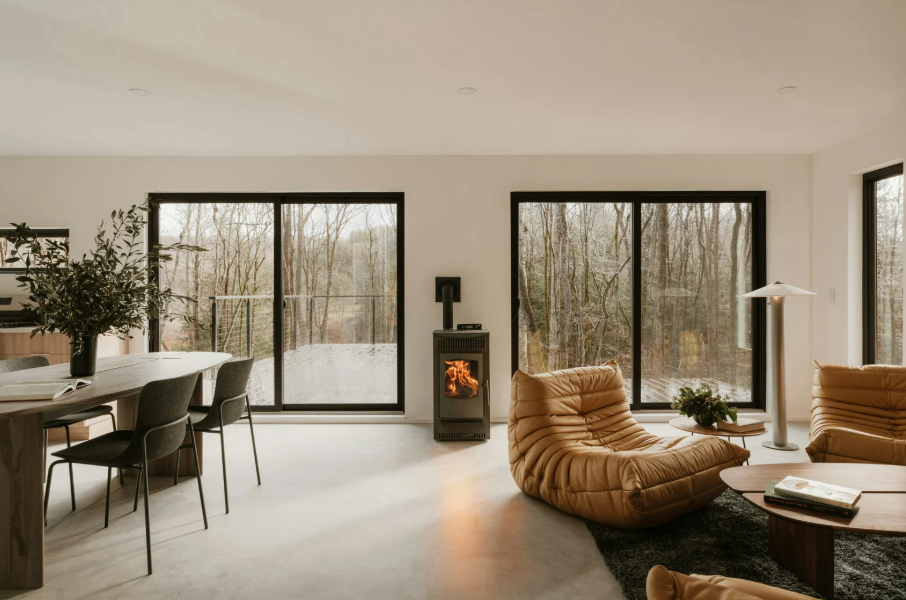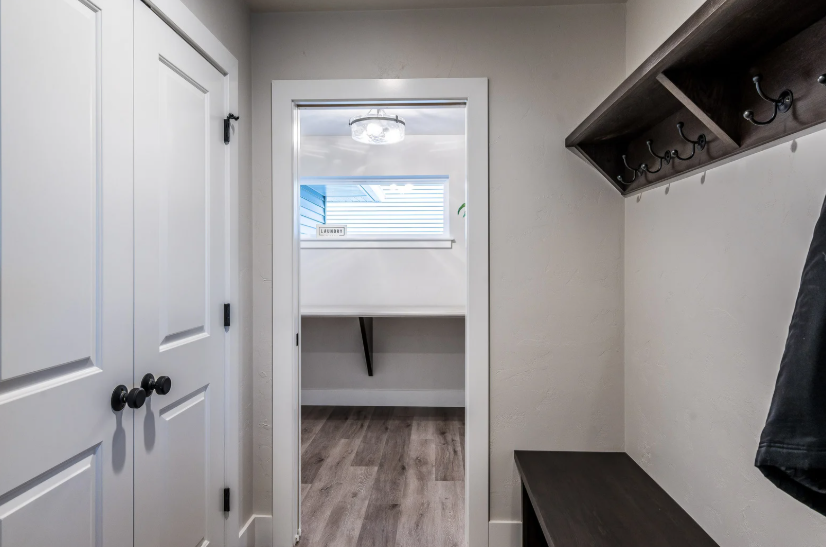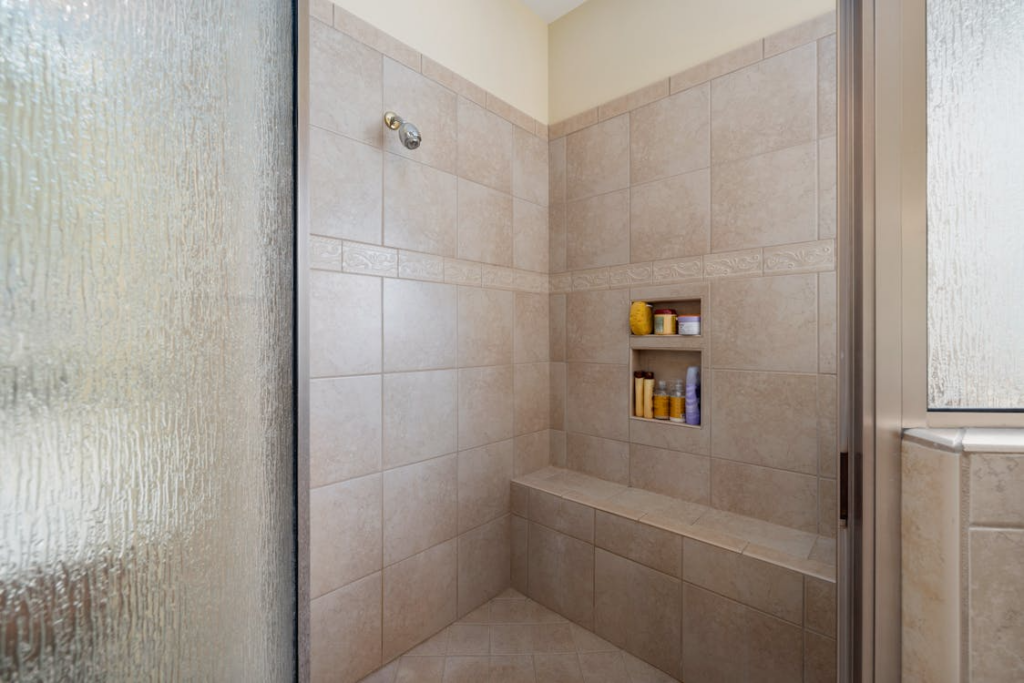
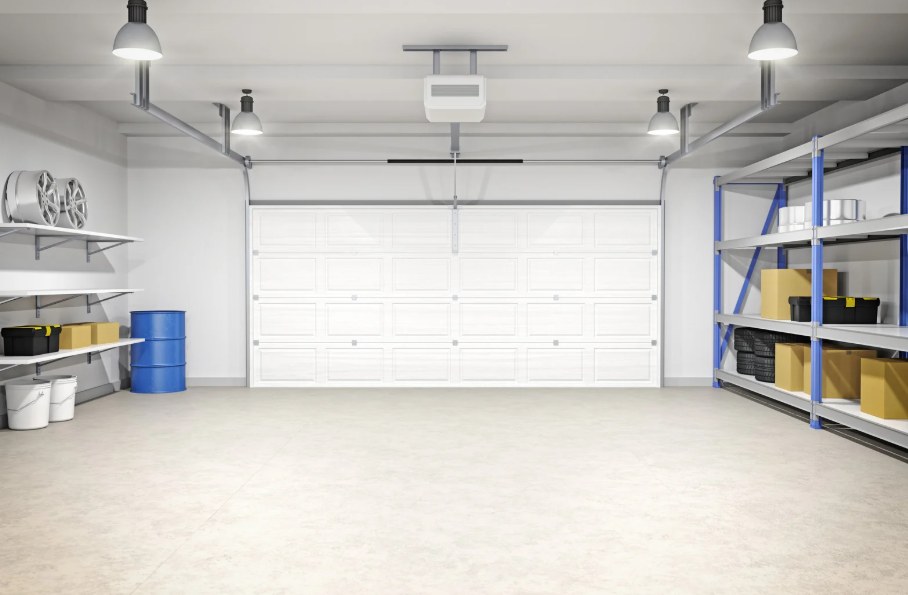
When done thoughtfully, a garage conversion can significantly improve a home’s functionality while better using existing space.
Many homeowners look for ways to add living space without the cost and complexity of building a full addition. One increasingly popular solution is converting an existing garage into a functional interior space. Because the structure already exists, smart garage conversion ideas often allow homeowners to expand their usable square footage more quickly and affordably than traditional home additions.
Garages typically provide a large, open area that can be adapted for many purposes. With proper planning, these spaces can become home offices, art studios, guest suites, or recreational rooms. The key to a successful garage conversion is designing the space so it feels like a natural extension of the home rather than a leftover utility area.
Understanding Structural And Zoning Considerations
Before beginning a garage conversion, homeowners should review local building codes and zoning regulations. Some communities have rules about minimum parking requirements or restrictions on converting garages into living space.
Permits are often required when the space is changed from storage or vehicle use to a habitable room. These regulations help ensure the new space meets safety standards for electrical systems, insulation, ventilation, and emergency exits.
Working with experienced contractors or local building departments can help homeowners understand these requirements and avoid complications during the project.
Read Understanding Permits And Building Codes For Remodeling Projects for insights on approvals and compliance.
Improving Insulation And Climate Control
Garages are usually built with minimal insulation because they were originally intended for vehicle storage rather than daily living. As a result, converting a garage into a comfortable living space requires improvements to insulation and climate control.
Walls, ceilings, and sometimes floors need additional insulation to regulate indoor temperatures. Heating and cooling systems may also need to be extended into the converted space.
Proper insulation not only improves comfort but also helps maintain energy efficiency throughout the home.
Explore Energy-Efficient Upgrades Worth Adding During A Remodel to reduce long-term energy costs.
Upgrading Flooring And Interior Finishes
Garage floors are typically concrete slabs, which can feel cold and industrial compared to the rest of the home. During a conversion, homeowners often install new flooring to make the space feel more inviting.
Options such as luxury vinyl plank, engineered wood, or durable tile can create a finished appearance while remaining practical for daily use. These materials help transform the garage from a utility area into a comfortable living environment.
Interior finishes also play an important role. Drywall, fresh paint, and finished ceilings help the space blend visually with the rest of the house.
Adding Windows And Natural Light
Many garages have limited natural light, which can make the space feel darker than other areas of the home. Improving lighting is an important step in making the converted space comfortable.
Installing new windows or enlarging existing ones lets more daylight into the room. Natural light helps the area feel larger and more connected to the outdoors.
Artificial lighting should also be carefully planned. Ceiling fixtures, wall sconces, and task lighting help create a bright and welcoming environment.
Discover How Window Placement Can Change The Feel Of A Room for insights on interior openness.
Designing The Space For Specific Uses
One advantage of garage conversions is the flexibility they offer. Homeowners can tailor the space to suit their specific needs.
A converted garage may become a home office that supports remote work, an art or music studio for creative projects, or a guest suite for visiting family members. Some homeowners even design the space as a small apartment for an extended family.
By carefully planning the layout, the converted garage can serve as a comfortable, practical extension of the home.
Garage conversion ideas offer a practical way to expand living space without building a new addition. By addressing zoning requirements, improving insulation, upgrading finishes, increasing natural light, and designing the space for specific uses, homeowners can transform underused garages into highly functional rooms.
With thoughtful design and proper planning, a garage conversion can add comfort, flexibility, and long-term value to a home.
Explore Attic Conversions For Extra Bedrooms Or Offices for another smart way to expand space.