With careful planning of structure, insulation, lighting, and layout, homeowners can transform underutilized attic areas into comfortable, practical rooms using thoughtful attic conversion ideas.
Many homes contain valuable square footage that goes completely unused: the attic. Often reserved for storage boxes and seasonal decorations, attic spaces can become functional living areas when properly renovated.
Converting an attic into a bedroom, home office, or flexible living space can significantly increase a home’s usability without expanding the home’s footprint.
Evaluating Whether Your Attic Is Suitable For Conversion
Before starting an attic remodel, it’s important to determine whether the space is structurally suitable for living purposes. Not all attics are designed to support daily use, so a careful evaluation is necessary.
Ceiling height is one of the most critical factors. Many building codes require at least seven feet of headroom across a portion of the room for it to qualify as livable space. If the roof slopes too low, dormer additions or roof modifications may be required to increase usable height.
Floor strength is another important consideration. Attics originally designed only for storage may not have joists strong enough to support furniture, walls, and regular foot traffic. A contractor or structural engineer may recommend reinforcing the framing to ensure safety.
Access is also important. A narrow pull-down ladder may work for storage, but it is impractical in a living area. Permanent staircases are often required for proper access and code compliance.
See Understanding Permits And Building Codes For Remodeling Projects for guidance before structural renovations.
Planning Layouts For Bedrooms Or Home Offices
Once structural feasibility is confirmed, the next step is to design a layout that fits the attic’s unique shape. Sloped ceilings, beams, and unusual angles require creative design solutions.
Bedrooms are one of the most common uses for attic conversions. Beds can often be positioned beneath lower ceiling slopes where full standing height isn’t necessary. Built-in storage along knee walls can maximize space while keeping the room organized.
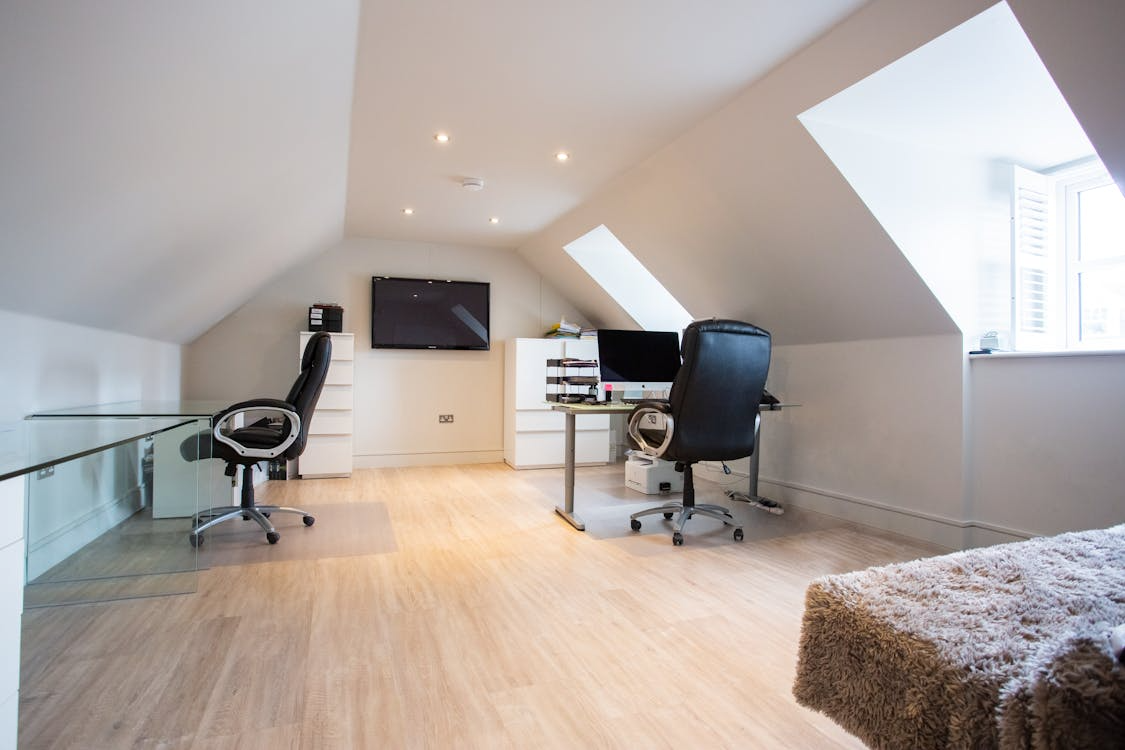
Home offices are another popular option, especially as remote work becomes more common. Attic offices can provide quiet separation from the rest of the home, making them ideal for focused work or creative activities.
Careful placement of furniture and built-ins helps ensure the room remains comfortable and functional despite the irregular ceiling shapes common in attic spaces.
Consider Built-In Shelving Projects That Add Both Style And Storage for smart ways to maximize storage.
Improving Insulation And Temperature Control
Attics often experience the most extreme temperatures in a home because they sit directly beneath the roof. Without proper insulation and ventilation, converted attic rooms can become uncomfortably hot in summer and cold in winter.
During a remodel, upgrading insulation is essential. Modern insulation materials placed in roof rafters and walls help regulate indoor temperatures and improve energy efficiency. Proper ventilation also prevents moisture buildup and extends the life of roofing materials.
Heating and cooling solutions may also need to be expanded. Some attic conversions connect to the home’s existing HVAC system, while others use ductless mini-split systems that provide efficient temperature control without extensive ductwork.
These upgrades ensure the space remains comfortable year-round.
Explore Energy-Efficient Upgrades Worth Adding During A Remodel for practical ideas.
Adding Natural Light And Ventilation
One challenge with attic spaces is the limited access to natural light. Because these rooms sit beneath the roof, they often lack traditional vertical walls for windows.
Skylights are one of the most effective solutions. They allow sunlight to enter directly from above, making the room feel brighter and more open. Skylights can also improve ventilation if they are designed to open.
Dormer windows are another option. Dormers extend outward from the roof, creating vertical window space and increasing usable headroom in the attic.
Proper lighting design is also important. Recessed ceiling lights, wall sconces, and task lighting can help compensate for areas with limited natural light.
Read How Lighting Can Completely Transform A Renovated Space for ideas that improve brightness.
Storage Solutions For Sloped Ceilings
Attic rooms often have limited wall space due to sloping ceilings, making storage challenging. However, creative built-in solutions can turn these architectural limitations into advantages.
Knee walls, which are short vertical walls where the roof slope begins, can hide large storage areas behind them. Built-in cabinets or access panels allow homeowners to store items in the unused triangular spaces beneath the roof.
Custom shelving and drawers can also be installed along lower walls where standard furniture might not fit. These built-ins maximize space while maintaining a clean, organized appearance.
By designing storage that fits the attic’s architecture, homeowners can create highly efficient living spaces without sacrificing functionality.
Attic conversion ideas are a practical way to expand a home’s living area without building an addition. By addressing structural requirements, improving insulation, adding natural light, and designing smart storage solutions, homeowners can turn unused attic space into comfortable bedrooms, offices, or creative work areas. With thoughtful planning, an attic remodel can add both value and versatility to a home.