
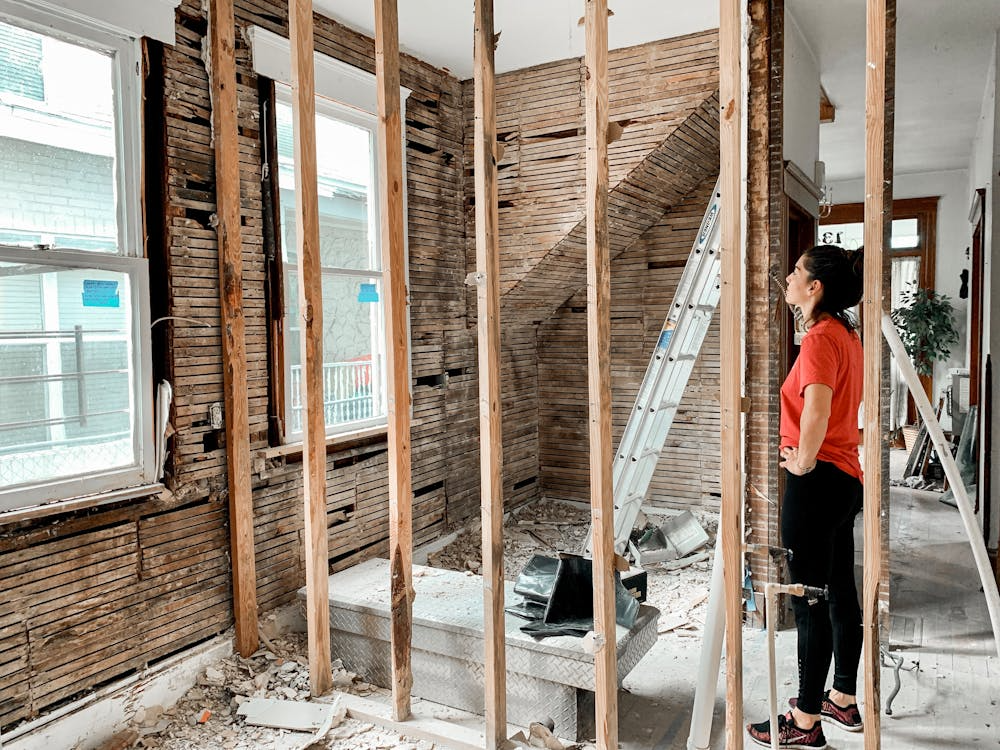
Understanding the strengths and challenges of each approach can help homeowners make a remodeling plan that fits both their finances and their lifestyle.
When homeowners decide to renovate, one of the first major decisions they face is deciding between room by room renovation vs whole home remodel approach. Both approaches can successfully transform a house, but they come with different advantages, costs, and levels of disruption.
Choosing the right strategy often depends on budget, long-term goals, and the level of inconvenience a household is willing to tolerate during construction.
The Advantages Of Renovating One Room At A Time
Renovating room by room is often the most manageable approach for homeowners working with limited budgets. Instead of funding a large project all at once, improvements can be spread out over several months or years.
This phased approach allows homeowners to focus on one area at a time, such as updating a kitchen first and remodeling bathrooms later. Each project can be completed when finances allow, reducing the need for large loans or major financial commitments.
Another benefit of room-by-room remodeling is the flexibility it offers. Homeowners can evaluate each completed space before moving on to the next project. This allows design preferences and priorities to evolve, which can be helpful if the household’s needs change.
Explore How To Plan A Home Remodel Without Blowing Your Budget for guidance on managing costs.
The Challenges Of Phased Renovations
While gradually renovating may seem financially easier, it can also introduce complications. One of the biggest challenges is that construction disruptions occur repeatedly. Instead of dealing with a single renovation period, homeowners may experience multiple rounds of noise, dust, and temporary inconvenience.
Phased remodeling can also increase overall project costs. Contractors may need to mobilize equipment and crews multiple times over several years, which can increase labor costs. Material prices may also increase between phases, making later projects more expensive than anticipated.
Another potential issue is design consistency. When renovations happen over a long period of time, it can be difficult to maintain a cohesive design style throughout the entire home.
See The Hidden Costs Homeowners Forget During Renovations for common expenses during projects.
The Benefits Of Whole-Home Remodeling
Whole-home remodeling takes a different approach by addressing multiple areas of the house at once. While this type of project typically requires a larger upfront investment, it offers several advantages that can simplify the renovation process.
One of the biggest benefits is efficiency. Contractors can coordinate work across the entire home simultaneously, often reducing the overall construction timeline compared to completing projects separately.
Whole-home remodeling also makes it easier to create a cohesive design. When kitchens, bathrooms, flooring, lighting, and layouts are updated together, the result often feels more unified and intentional.
Additionally, large renovations allow homeowners to address structural changes more effectively. Adjusting walls, plumbing systems, and electrical layouts can be easier when multiple rooms are being remodeled simultaneously.
Read Remodeling For Multi-Purpose Living Spaces for ideas that factors changing needs.
The Downsides Of Remodeling Everything At Once
Despite its advantages, whole-home remodeling can be more disruptive in the short term. Large renovation projects often require homeowners to temporarily relocate or significantly adjust daily routines while construction is underway.
The financial commitment is also larger. Because multiple areas are renovated simultaneously, the upfront cost can be substantial. Careful budgeting and financing plans are essential to prevent the project from becoming financially overwhelming.
Planning is also more complex with whole-home remodels. Coordinating contractors, material deliveries, and design decisions across multiple rooms requires careful project management to avoid delays.
Check Signs Your Home Is Ready For A Major Remodel to evaluate timing and readiness.
Choosing The Right Remodeling Strategy
Ultimately, the choice between room-by-room renovation and whole-home remodeling depends on a homeowner’s priorities. Those who prefer gradual improvements and lower upfront costs may find phased remodeling more comfortable.
Homeowners seeking faster results, cohesive design, and fewer long-term disruptions may prefer completing everything at once. Both approaches can lead to successful renovations when projects are planned carefully and aligned with realistic budgets.
Understanding the trade-offs between these two strategies helps homeowners make informed decisions about transforming their homes. Whether improvements occur gradually or all at once, thoughtful planning ensures the renovation process results in a space that better supports daily living.