Understanding the real home remodeling project timeline helps homeowners set realistic expectations and reduce frustration during the process.
Many homeowners begin remodeling projects with an optimistic timeline in mind. Television shows and online videos often make renovations look quick and straightforward. In reality, most home remodeling projects take longer than people expect because they involve multiple stages of planning, approvals, and construction.
From the initial idea to the final finishing touches, a successful renovation usually unfolds in several distinct phases.
Planning And Design Often Take Longer Than Expected
The earliest stage of a remodel is planning and design, and it is one of the most important parts of the entire project. This phase includes defining goals, creating layouts, selecting materials, and developing a budget.
Homeowners often spend several weeks or even months refining their plans. Decisions about flooring, cabinetry, fixtures, lighting, and finishes can take time, especially when comparing options and costs. Rushing this stage can lead to mistakes or expensive changes later.
Working with designers or contractors during this phase helps ensure the project is realistic and properly structured. Careful planning reduces construction delays and makes the entire process more predictable.
Explore How To Plan A Home Remodel Without Blowing Your Budget for practical renovation guidance.
Permits And Approvals Can Add Unexpected Delays
Many remodeling projects require permits before construction can begin. Local governments use these permits to ensure that renovations follow building codes and safety regulations.
The time required for permits varies widely by location and project complexity. Some permits may be approved within a few days, while others can take several weeks or even longer.
This waiting period can feel frustrating, but it plays an important role in protecting homeowners and ensuring that renovations meet legal and safety standards. Planning for permit timelines early helps prevent unexpected delays once the project is ready to begin.
See Understanding Permits And Building Codes For Remodeling Projects to learn how approvals affect timelines.
Demolition And Structural Work Come First
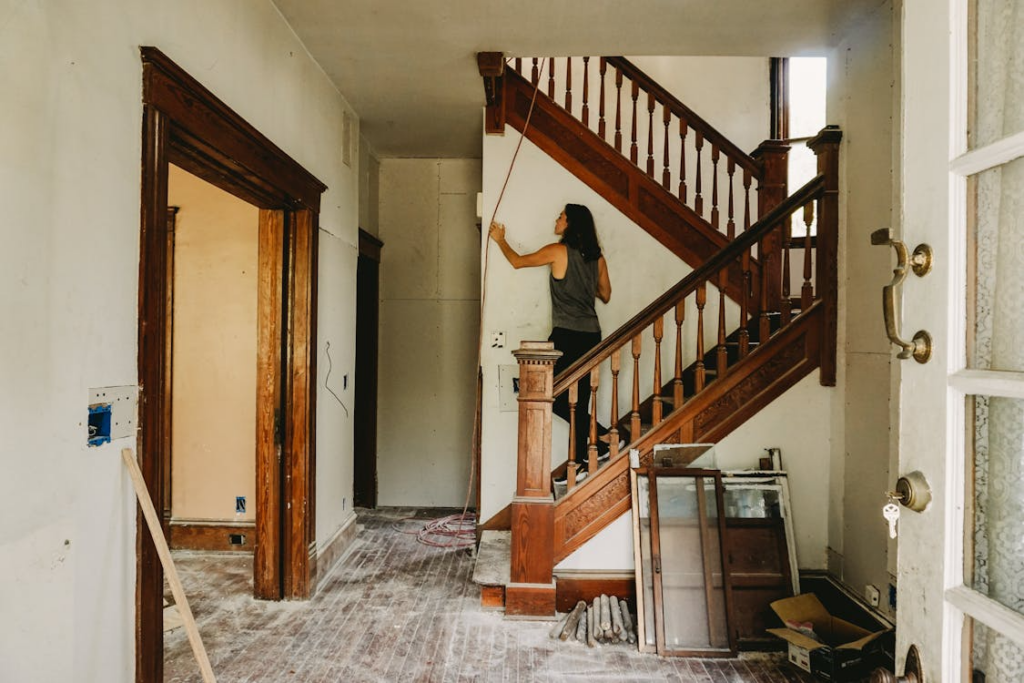
Once permits are approved and materials are ordered, the construction phase begins. Most remodeling projects start with demolition, where contractors remove old materials, fixtures, and structural elements that will be replaced.
Demolition can happen quickly, sometimes within just a few days. However, it often reveals hidden issues inside walls, floors, or ceilings. These discoveries may require additional repairs before new construction can continue.
After demolition, contractors begin structural work, including framing changes, electrical updates, plumbing installations, and HVAC modifications. This stage lays the foundation for the rest of the renovation and must be completed carefully before finishing work begins.
Review The Hidden Costs Homeowners Forget During Renovations to prepare for unexpected issues.
Installation And Finishing Work Take Time
Once the structural work is complete, the project moves into the installation and finishing stages. This includes installing drywall, flooring, cabinetry, lighting, and other visible features that shape the space’s final appearance.
Many homeowners expect this stage to move quickly, but finishing work often requires careful sequencing. For example, flooring may need to be installed before cabinets, while painting may occur after trim and drywall are completed.
Attention to detail during this phase is essential. Skilled craftsmanship ensures that finishes align properly, surfaces look polished, and the remodeled space functions as intended.
Check Questions To Ask Contractors Before Starting A Remodel to plan renovations more effectively.
Final Inspections And Project Completion
Before a remodeling project is considered complete, final inspections may be required to confirm that the construction meets building codes. Inspectors review electrical work, plumbing systems, and structural changes to verify safety and compliance.
Once inspections are passed, contractors perform final adjustments and clean up the worksite. Small details such as hardware installation, paint touch-ups, and fixture alignment are completed during this stage.
While homeowners are often eager to enjoy their newly renovated space, these final steps ensure the project meets professional standards and operates safely.
Understanding the full timeline of a remodeling project helps homeowners approach renovations with patience and preparation. Planning, permits, construction, and finishing work all take time, but each stage plays a critical role in achieving a successful result.
When homeowners understand the process in advance, they are better prepared to manage expectations, coordinate decisions, and enjoy the transformation of their home once the work is complete.