Understanding how window placement in home design affects lighting, balance, and comfort can help homeowners design spaces that feel brighter, more open, and more connected to the outdoors.
Windows do far more than provide a view of the outside world. Their placement affects how natural light moves through a home, how spacious rooms feel, and even how comfortable the indoor environment becomes throughout the day. During a remodel, window placement can be one of the most influential design decisions homeowners make.
Many older homes were built with smaller windows or window layouts that do not fully maximize natural light. Renovations provide an opportunity to rethink how light enters a room and how windows interact with the surrounding space. Even small adjustments can dramatically change a room’s mood and functionality.
Natural Light Shapes The Atmosphere Of A Room
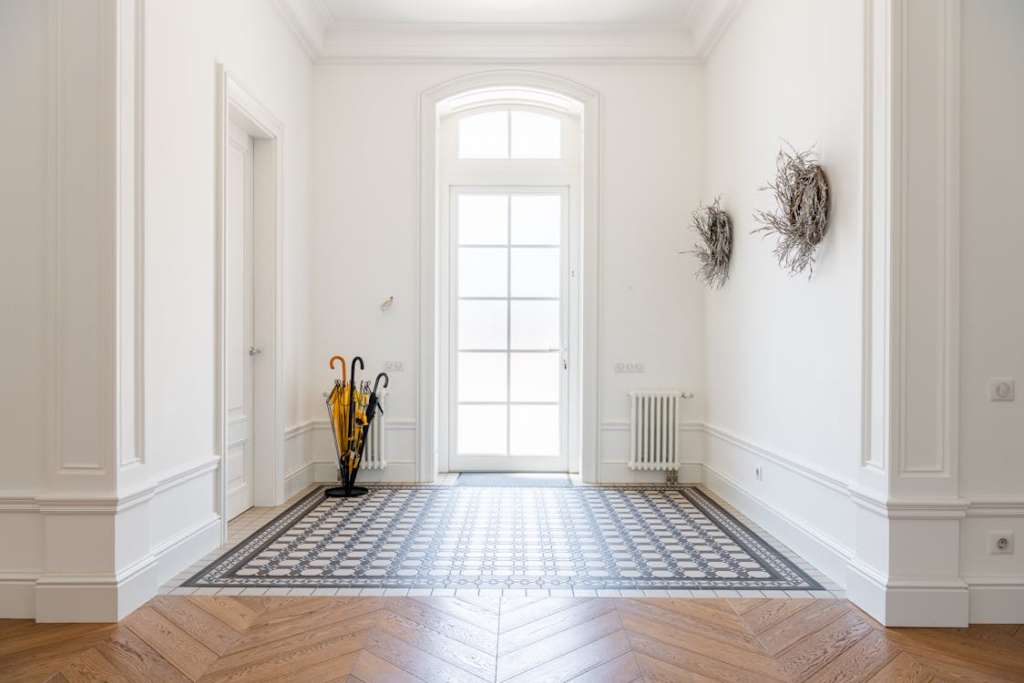
Natural light is one of the most powerful elements in interior design. Rooms filled with daylight tend to feel larger, more inviting, and more comfortable than spaces that rely primarily on artificial lighting.
Strategically placed windows allow sunlight to reach deeper into the home. When light spreads evenly across walls and floors, the entire room feels brighter and more open.
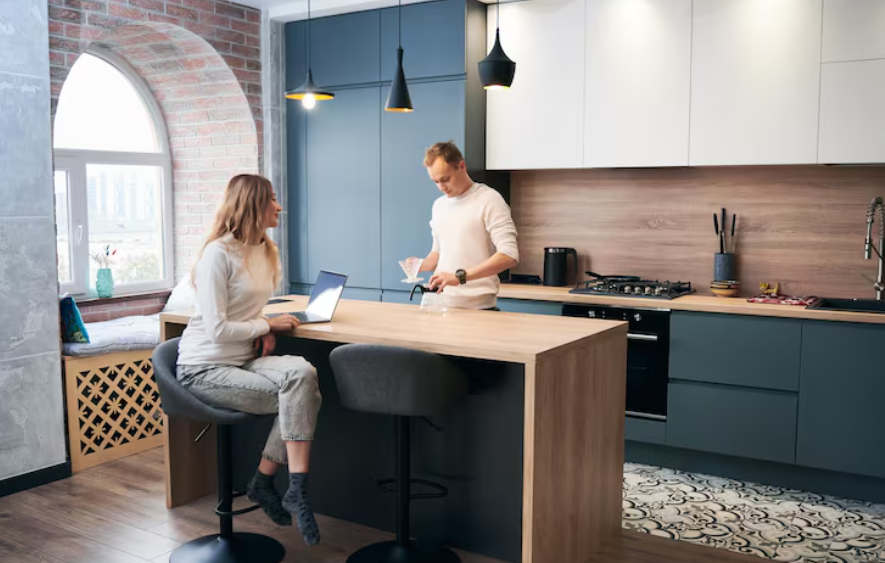
During remodeling projects, homeowners may choose to enlarge existing windows or add additional windows to improve the flow of daylight. These changes can reduce the need for artificial lighting while creating a more pleasant living environment.
Explore Color Palettes That Help Homes Feel Bigger And Brighter for ideas that enhance natural light.
Window Placement Influences Room Proportions
The location of windows can significantly affect how large or balanced a room appears. Windows placed higher on the wall can make ceilings feel taller, while wide windows can visually expand a space.
Designers often use window placement to guide the eye and emphasize architectural features. For example, aligning windows with focal points such as fireplaces or seating areas can create a natural sense of symmetry.
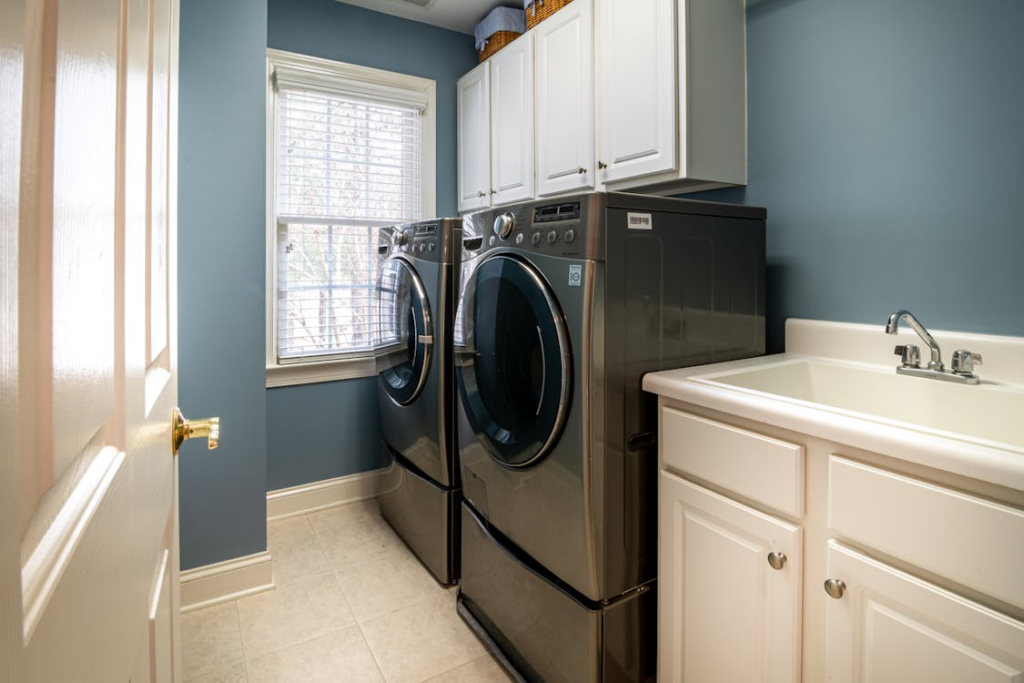
Poorly positioned windows, on the other hand, may create uneven lighting or leave portions of the room feeling darker and less inviting.
See Open Concept Vs Defined Rooms In Modern Remodeling for insight into space perception.
Connecting Indoor Spaces With Outdoor Views
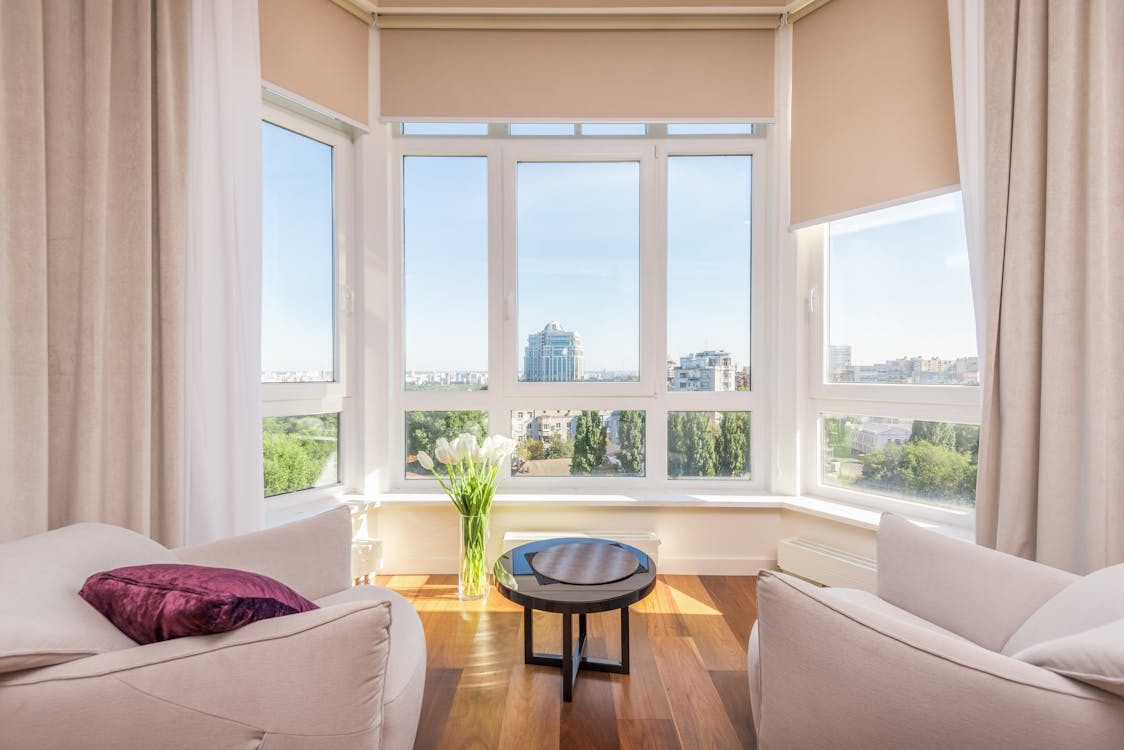
Windows also play an important role in connecting interior spaces with the surrounding landscape. Well-placed windows frame outdoor views and create a sense of openness between the inside and outside environments.
During remodeling projects, homeowners sometimes reposition windows to capture better views of gardens, trees, or outdoor living spaces. Large picture windows or sliding glass doors can create strong visual connections with patios or backyards.
This connection often makes interior spaces feel more expansive while bringing natural beauty into the home.
Check Outdoor Living Remodels That Extend Your Home’s Usable Space to connect interiors and outdoor areas.
Improving Ventilation And Airflow
Window placement affects not only lighting but also airflow throughout the home. Properly positioned windows can encourage natural ventilation, allowing fresh air to circulate more easily through the interior.
Cross-ventilation occurs when windows are placed on opposite sides of a room or home. When opened, these windows allow air to flow through the space, helping regulate indoor temperatures and improve comfort.
In warm climates, thoughtful window placement can reduce reliance on air conditioning by allowing natural breezes to cool the home.
Balancing Privacy And Light
While large windows provide abundant natural light, privacy is another important consideration when determining placement. Windows positioned directly across from neighboring homes may expose interior spaces more than homeowners prefer.
During remodeling, designers often consider both lighting and privacy when adjusting window locations. Frosted glass, higher window placement, or landscaping features can allow natural light to enter while maintaining privacy.
Balancing these factors ensures rooms feel bright and comfortable without compromising the home’s sense of security.
Window placement profoundly affects how a room feels and functions. By improving natural light, enhancing room proportions, connecting indoor and outdoor spaces, and encouraging airflow, thoughtful window design can transform an ordinary space into one that feels open and inviting.
During a remodel, evaluating window placement carefully allows homeowners to take full advantage of natural light and create living spaces that feel brighter, more comfortable, and more connected to their surroundings.
Explore How Lighting Can Completely Transform A Renovated Space to improve interior brightness.