Understanding functional differences between open concept vs defined rooms can help homeowners choose the layout that best supports their day-to-day.
One of the biggest design decisions homeowners face in remodeling projects is whether to create an open-concept layout or maintain defined rooms throughout the home.
Over the past two decades, open floor plans have become extremely popular, particularly in kitchen and living areas. However, more homeowners are now reconsidering traditional layouts that provide separation between spaces.
Both design approaches offer unique advantages depending on lifestyle preferences, household needs, and architectural structure.
Why Open Concept Layouts Became So Popular
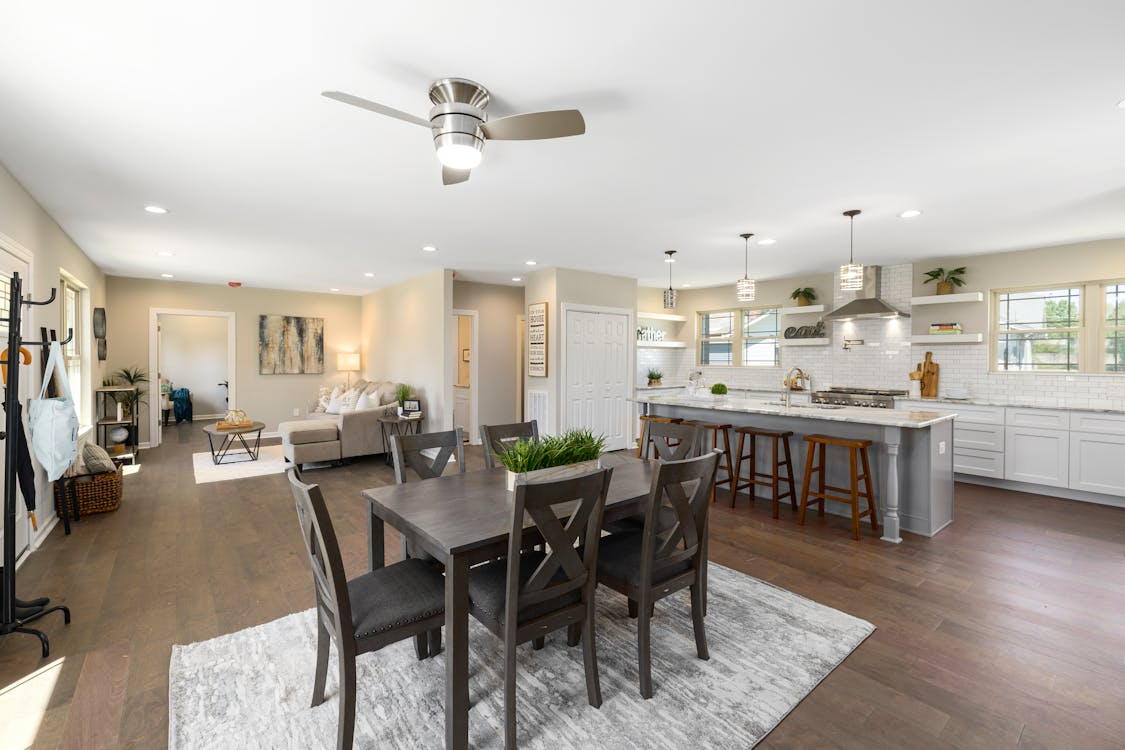
Open concept layouts remove walls between major living areas, typically combining the kitchen, dining room, and living room into a single large space. This design became popular because it creates a sense of openness, making homes feel larger and brighter.
One of the biggest advantages of open layouts is improved visibility and interaction. Families can cook, relax, and socialize within the same space without feeling separated by walls. Parents can prepare meals while keeping an eye on children playing nearby.
Open floor plans also allow natural light to travel more freely through the home. Without walls blocking windows, sunlight spreads across larger portions of the interior, making spaces feel more inviting.
Explore Remodeling A Small Kitchen To Feel Bigger for ideas that improve openness.
The Advantages Of Defined Rooms
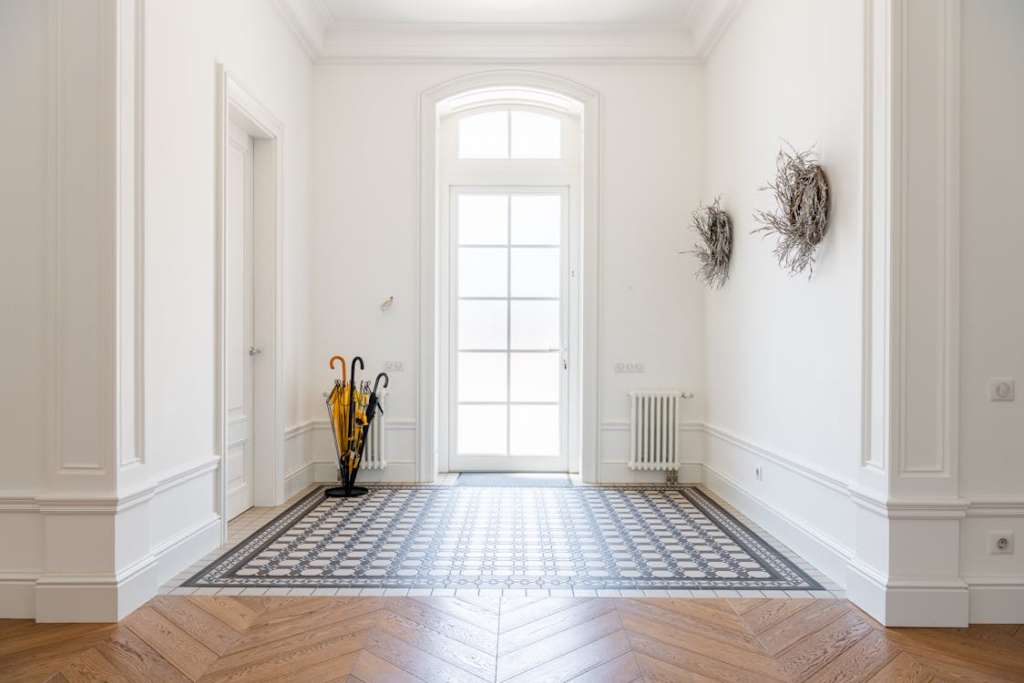
Despite the popularity of open layouts, defined rooms continue to offer important benefits. Traditional room divisions create dedicated spaces for specific activities, thereby improving organization and privacy within the home.
Separate rooms can reduce noise between areas, allowing one part of the household to relax while another watches television or works. This can be especially helpful in households with multiple family members working from home or managing different schedules.
Defined rooms can also provide more wall space for storage, shelving, and furniture placement. When walls are removed, homeowners sometimes lose valuable areas for cabinets, artwork, or built-in features.
Structural Considerations When Removing Walls
While open layouts may seem appealing, removing walls is not always as simple as it appears. Many walls play important structural roles in supporting the home’s upper floors or roof.
Load-bearing walls help distribute the structure’s weight and cannot be removed without proper support systems. Structural beams or engineered supports may be required to maintain stability.
These modifications can increase renovation costs and may require engineering evaluations and building permits. Homeowners considering open floor plans should consult contractors or structural professionals before making major layout changes.
See When To DIY A Remodel And When To Hire Professionals for guidance before structural changes.
Finding A Balance Between Openness And Separation
Many modern remodels combine elements of both open and defined layouts. Instead of removing walls entirely, designers may create partial divisions that maintain openness while still defining separate areas.
For example, half walls, wide doorways, sliding panels, or decorative partitions can separate spaces without fully closing them off. Kitchen islands can also serve as visual boundaries between the kitchen and the living area.
This hybrid approach allows homeowners to enjoy improved sightlines and natural light while preserving functional zones for different activities.
Discover Remodeling For Multi-Purpose Living Spaces for ideas on flexible room design.
Choosing The Layout That Fits Your Lifestyle
The decision between open concept and defined rooms ultimately depends on how homeowners use their spaces. Families who enjoy entertaining and spending time together in shared areas often prefer open layouts.
On the other hand, homeowners who value quiet environments, dedicated workspaces, or traditional architectural character may prefer defined rooms.
It is also important to consider the home’s style and structure. Some older homes naturally lend themselves to separate rooms, while newer homes may be better suited for open floor plans.
Both design approaches can create beautiful, functional living environments when thoughtfully planned. By considering lifestyle needs, structural limitations, and long-term comfort, homeowners can choose a layout that enhances both the appearance and usability of their home.
Check Kitchen Layouts That Make Cooking Easier And More Efficient for layouts that shape daily workflow.