Smart entryway renovation ideas focus on layout, lighting, storage, and design details, transforming a simple doorway into a highly functional and inviting transition space.
The entryway is the first space people experience when entering a home, yet it is often one of the most overlooked areas during renovations. Many homes have small or poorly organized entry spaces that quickly become cluttered with shoes, coats, bags, and mail.
Remodeling an entryway can dramatically improve a home’s appearance and functionality. A thoughtfully designed entry creates a welcoming first impression while also providing practical storage and organization for everyday life.
Creating A Clear And Welcoming Entry Layout
A successful entryway remodel begins with improving the layout. Entry spaces should feel open, easy to navigate, and clutter-free. Even in smaller homes, small design adjustments can create a more welcoming arrival experience.
One of the most effective changes is establishing a defined drop zone. This is an area where family members naturally place items such as keys, wallets, bags, and shoes upon entering the home. Adding a small console table, shelf, or cabinet near the door creates a designated place for these everyday items.
For narrow entryways or hallway entrances, wall-mounted storage and slim furniture help maintain walking space while still providing functionality. Clear pathways and organized surfaces help the entry feel intentional rather than chaotic.
Explore Mudroom Remodel Ideas That Keep Homes Organized for entry storage ideas.
Storage Solutions That Keep Clutter Under Control
Entryways often become cluttered because they lack adequate storage. A remodel provides the opportunity to add built-in solutions that keep everyday items organized and out of sight.
Built-in benches with hidden storage are one of the most practical features for entryways. They provide a place to sit while putting on shoes and also offer space inside for storing footwear, seasonal accessories, or bags.
Wall hooks and coat racks are another essential addition. Rather than tossing jackets over chairs or railings, hooks provide a simple way to keep outerwear organized. When installed at varying heights, they can also accommodate children and guests.
Cabinet storage is useful for concealing items such as umbrellas, sports equipment, or reusable shopping bags. When designed well, entryway storage reduces clutter throughout the entire home.
See Storage Solutions That Remodelers Wish They Added Sooner for clutter control ideas.
Lighting That Enhances The Entry Experience
Lighting design plays a major role in how an entryway feels. Many entry spaces rely on a single ceiling fixture or receive very little natural light. Remodeling offers the chance to improve both brightness and visual appeal.
Layered lighting creates a more welcoming environment. A central ceiling fixture provides general illumination, while wall sconces or accent lights can add warmth and highlight design features.
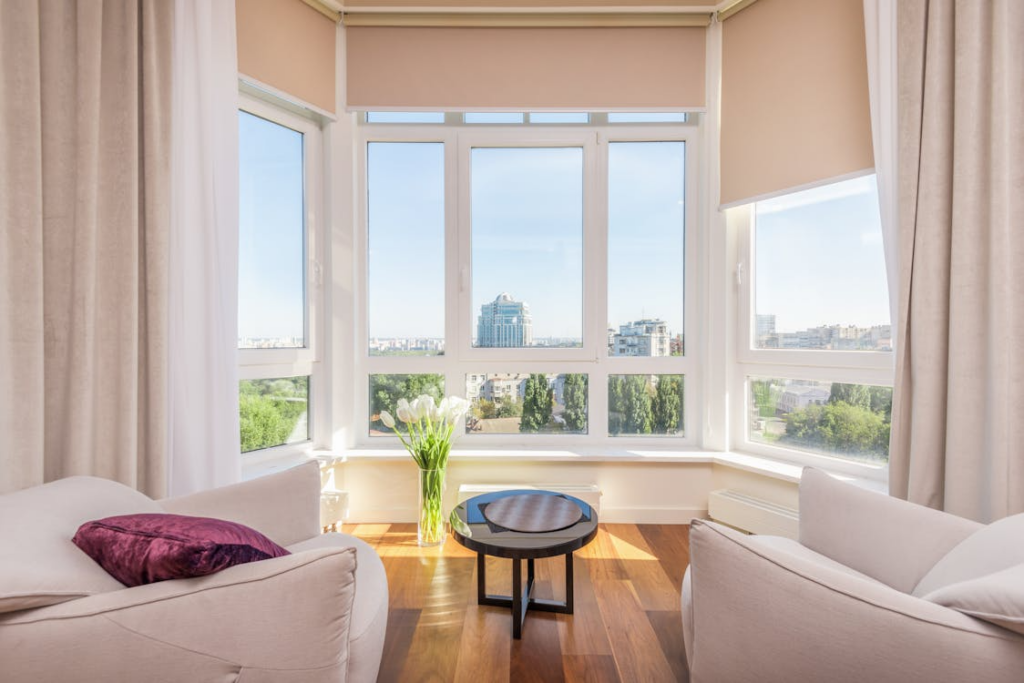
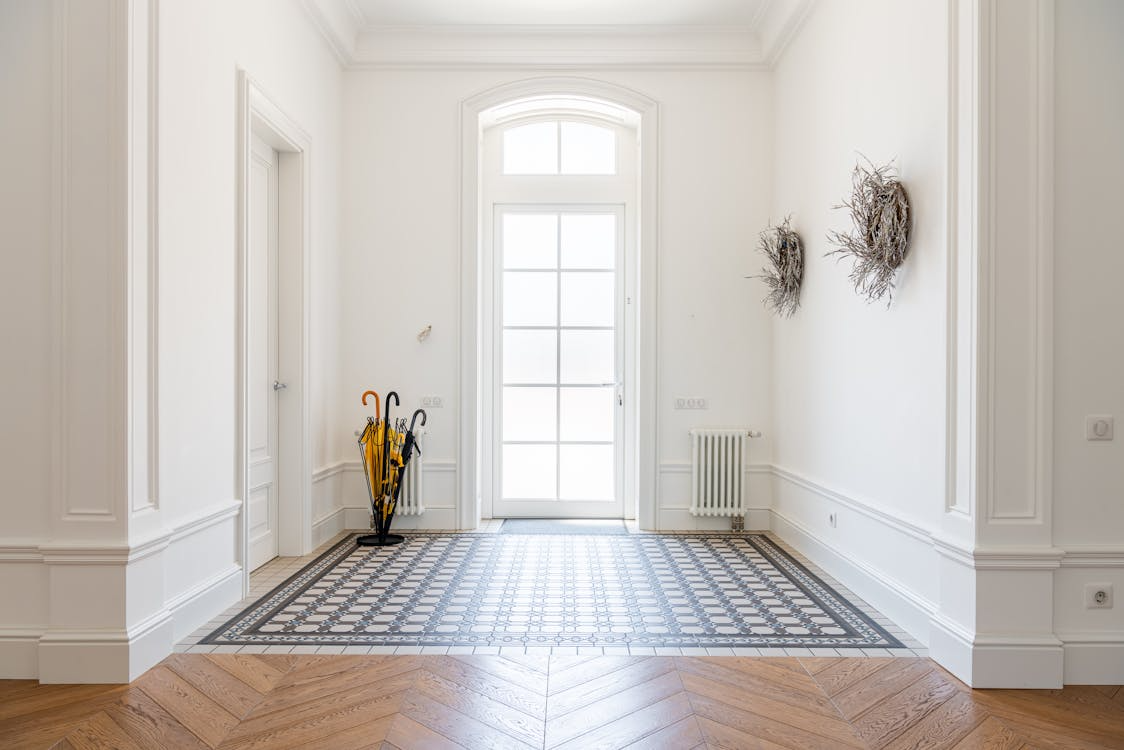
If possible, increasing natural light can dramatically transform an entryway. Adding sidelights beside the front door or installing a glass-paneled door lets daylight in while maintaining privacy. Natural light makes the space feel larger and more inviting.
Mirrors are another useful addition in entry areas. They reflect light, visually expand small spaces, and provide a convenient place for quick appearance checks before leaving the house.
Durable Materials For High-Traffic Areas
Entryways experience heavy foot traffic and frequent exposure to dirt, moisture, and outdoor debris. Choosing durable materials during a remodel helps the space stay clean and attractive over time.
Flooring is particularly important. Tile, stone, and luxury vinyl are popular choices because they are moisture-resistant and easy to clean. These materials handle muddy shoes and wet umbrellas far better than carpet or hardwood.
Area rugs designed for entryways can also help capture dirt before it spreads throughout the home. Washable rugs are especially practical in busy households with children or pets.
Wall finishes should also be considered. Durable paint finishes or wainscoting can protect walls from scuffs caused by bags, shoes, or backpacks.
Read Choosing Flooring That Works For Your Lifestyle for durable flooring ideas.
Design Details That Personalize The Space
Beyond functionality, entryway renovation ideas are an opportunity to introduce personality and style into the home. Because entryways are relatively small, design upgrades can make a big impact without requiring a large budget.
Accent walls, decorative tile, or unique light fixtures can give the entry space a distinctive character. Artwork, framed photographs, or decorative mirrors can also add warmth and personality.
A small plant, decorative bowl for keys, or seasonal décor can further enhance the welcoming feel of the space. These details create a sense of intention and help the entryway feel integrated into the home rather than just a passageway.
When thoughtfully designed, an entryway becomes more than just a doorway. It becomes an organized, welcoming space that simplifies daily routines and sets the tone for the entire home.
Learn How To Plan A Home Remodel Without Blowing Your Budget for budget planning guidance.