By choosing color palettes that make rooms look bigger, even smaller rooms can feel more expansive and comfortable.
Color plays a powerful role in how a home feels. The right palette can make rooms appear larger, brighter, and more inviting, while poorly chosen colors can make spaces feel cramped or dark. During a remodel, color choices are among the easiest ways to influence a home’s overall atmosphere.
Homeowners often focus on furniture or decorative accents when thinking about design, but wall colors, flooring tones, cabinetry, and lighting all work together to shape how spacious a room appears. Understanding how color interacts with light and space can help homeowners create interiors that feel open and welcoming.
Light Neutrals Create A Sense Of Openness
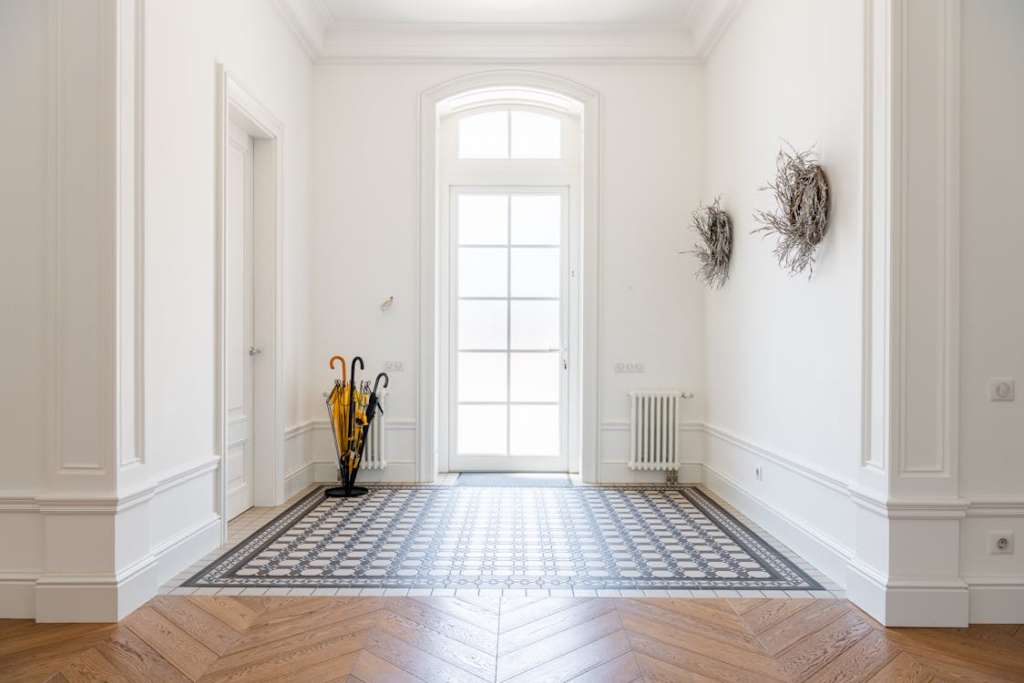
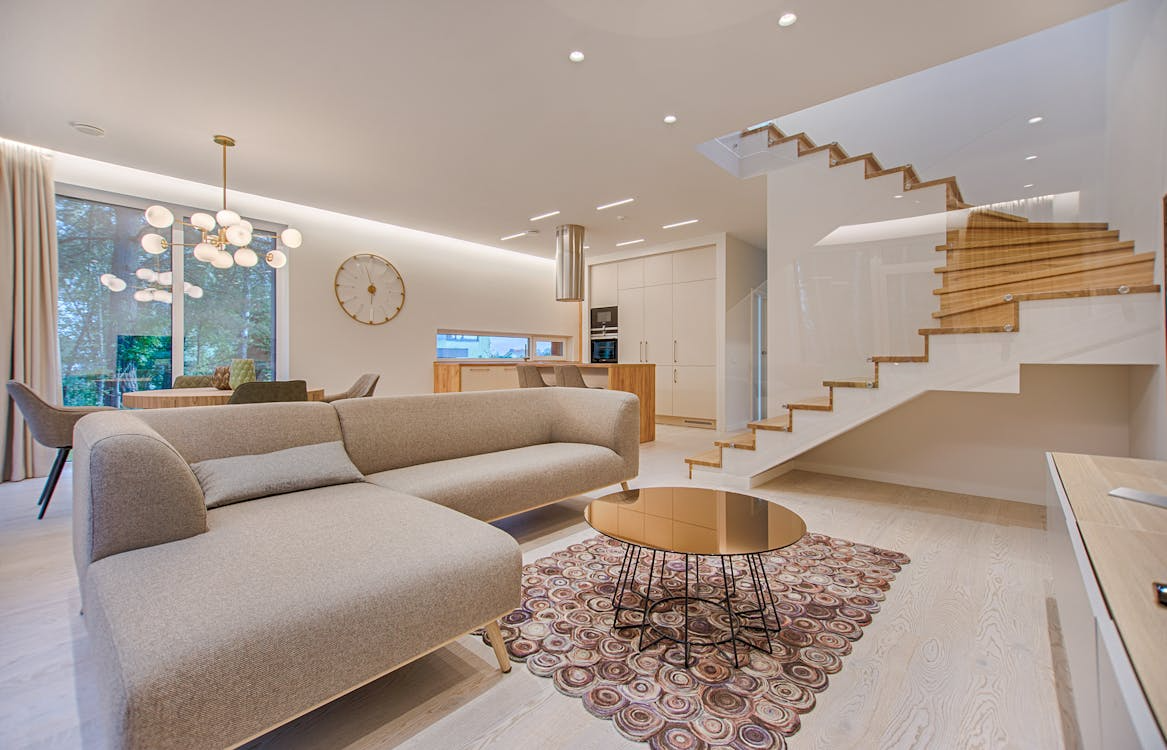
One of the most reliable ways to make a room feel larger is to use light, neutral colors. Shades of white, cream, soft gray, and light beige reflect natural and artificial light, helping brighten the entire space.
These colors reduce visual contrast between walls and ceilings, which makes boundaries feel less defined. As a result, rooms often appear more open and continuous.
Light neutral palettes also provide a flexible foundation for decorating. Furniture, artwork, and accessories can easily be changed over time without requiring a complete redesign of the room.
See Mixing Modern Features With Classic Home Architecture for design styles that work together.
Soft Color Transitions Help Rooms Flow Together
Another effective strategy for creating a spacious feeling is maintaining smooth color transitions between rooms. When neighboring spaces share similar color tones, the home feels visually connected rather than divided.
Abrupt color changes can break up the visual flow of a home, making individual rooms feel smaller. Gradual transitions between related shades help maintain a sense of continuity.
For example, a home might use soft gray in one room, light taupe in the next, and warm white in another. These subtle variations provide interest while maintaining a cohesive appearance throughout the home.
Learn How Lighting Can Completely Transform A Renovated Space for insights on interior perception.
Using Accent Colors Without Overwhelming The Space
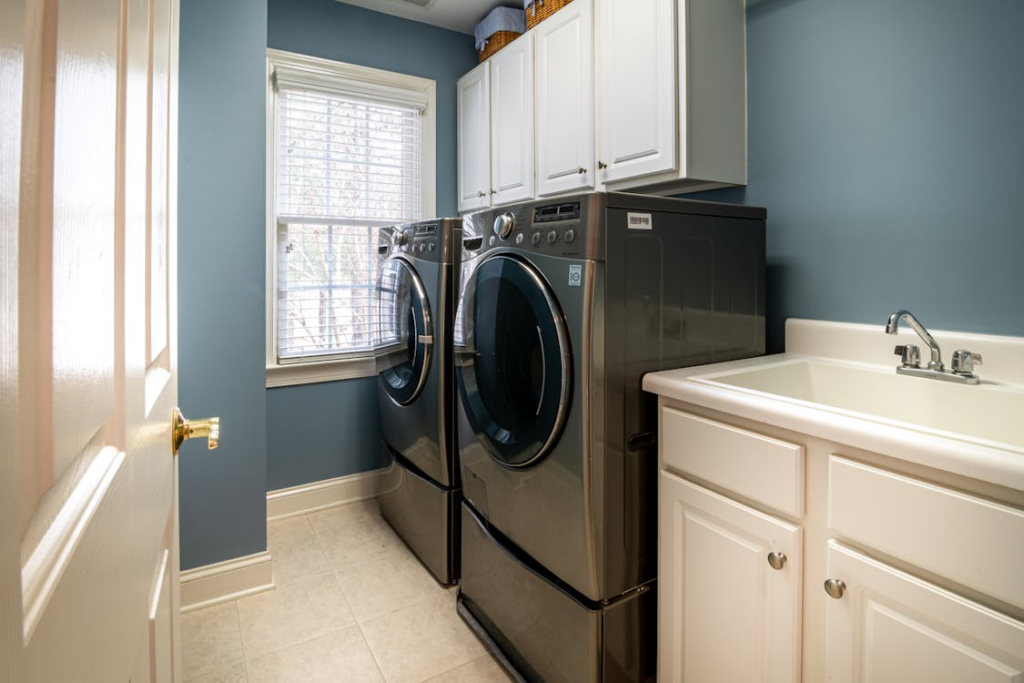
Accent colors can add personality and warmth to a home, but they should be used carefully when the goal is to create a bright and spacious feeling. Bold colors applied to large wall surfaces may make rooms feel more enclosed.
Instead, homeowners often introduce accent colors through smaller elements such as furniture, decorative pillows, artwork, or feature walls. This approach adds visual interest while preserving the openness created by lighter background tones.
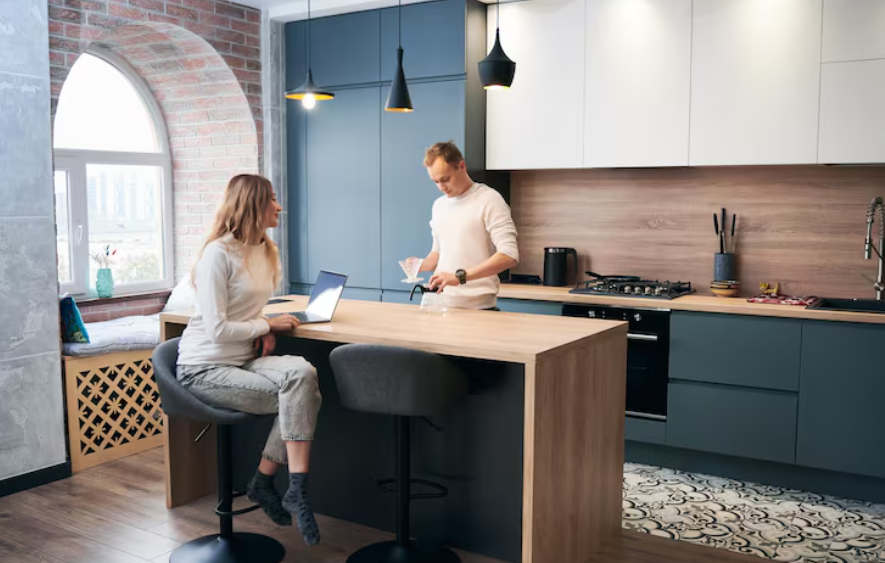
Accent colors can also be incorporated through cabinetry, lighting fixtures, or architectural details, allowing the design to feel dynamic without overwhelming the space.
Read Designing A Remodel That Still Feels Like Your Home for ideas that maintain personal style.
The Role Of Ceilings And Trim Colors
Ceilings and trim are often overlooked when choosing color palettes, but they play an important role in shaping how large a room feels. Light-colored ceilings help reflect light downward, making rooms appear taller and brighter.
Painting trim and moldings in slightly lighter tones than the walls can also enhance the perception of space. This subtle contrast highlights architectural details while maintaining a clean and cohesive look.
In some cases, using the same color on both walls and trim can create a seamless effect, reducing visual breaks in the room.
Natural Light Enhances The Impact Of Color
Color choices interact strongly with natural light, which means lighting conditions should always be considered before finalizing a palette. A color that appears bright and airy in a showroom may look very different in a home, depending on window placement and sunlight exposure.
Rooms with abundant natural light can support a wider range of color choices, including slightly darker tones. Spaces with limited natural light typically benefit from lighter shades that help reflect available illumination.
Testing paint samples in the actual room before committing to a color can help homeowners see how the shade changes throughout the day.
Color palettes have a profound effect on how homes look and feel. By using light neutrals, maintaining smooth transitions between rooms, adding controlled accents, and considering lighting conditions, homeowners can create interiors that feel brighter and more spacious.
Thoughtful color palettes that make rooms look bigger are one of the simplest yet most effective tools available during a remodel. When carefully selected, color palettes can transform even modest spaces into open, comfortable, and welcoming environments.
Explore How Window Placement Can Change The Feel Of A Room for ideas that improve natural lighting.